What Happens When AI Models Describe Your Brand Differently?
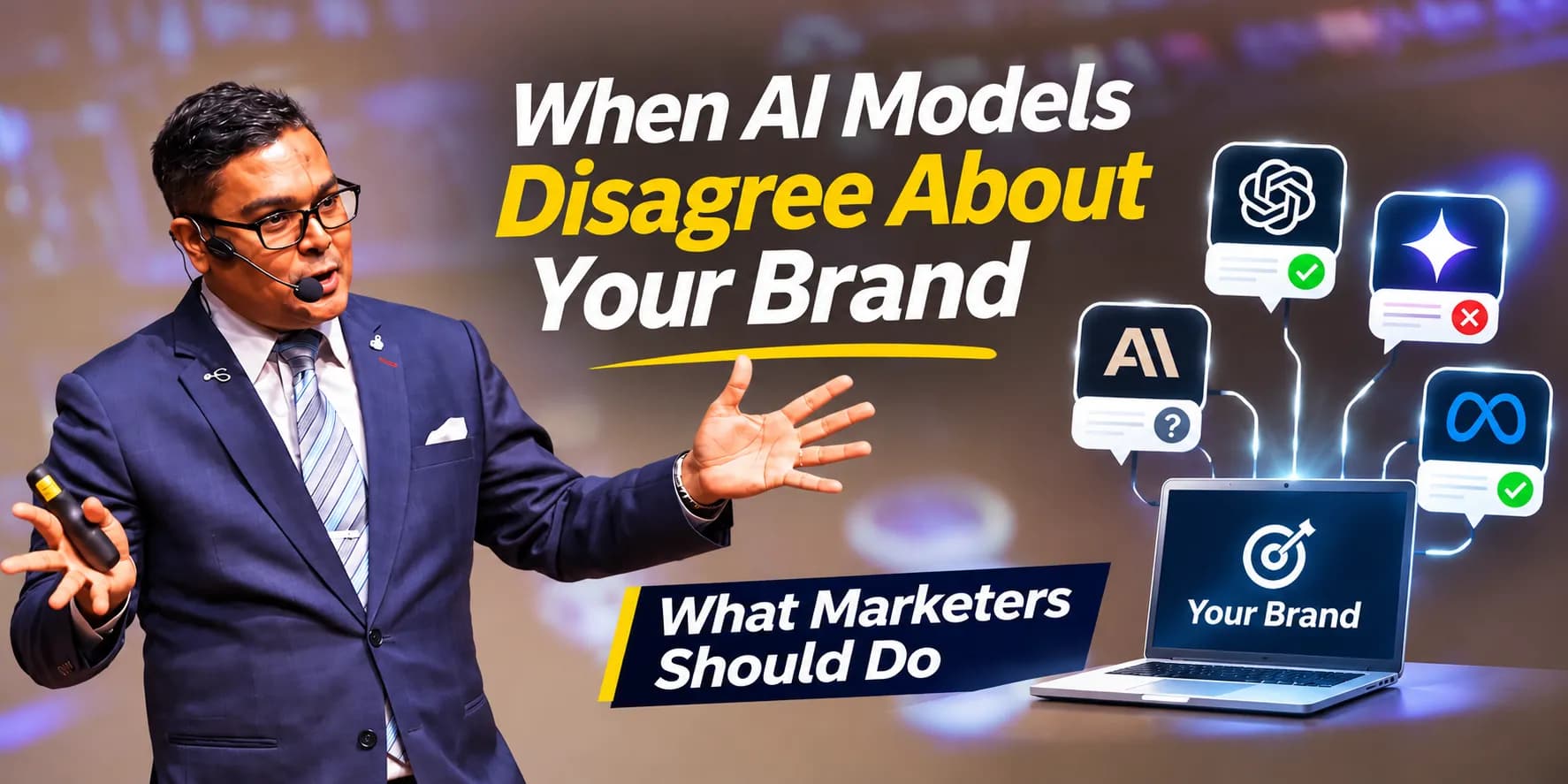
Imagine asking ChatGPT, Gemini and Perplexity the same question: "What makes this company different from its competitors?"
One describes your business as innovative. Another focuses on affordability. A third barely recognises your brand or gives an outdated description. Which answer should your marketing team trust?
This is an increasingly important question for brand leaders. People are using AI tools to research companies, compare products and explore potential suppliers. When AI models disagree about your brand, the issue is not simply which platform gives the better answer. It is whether your brand is communicating a clear and consistent identity across the information sources these systems use.
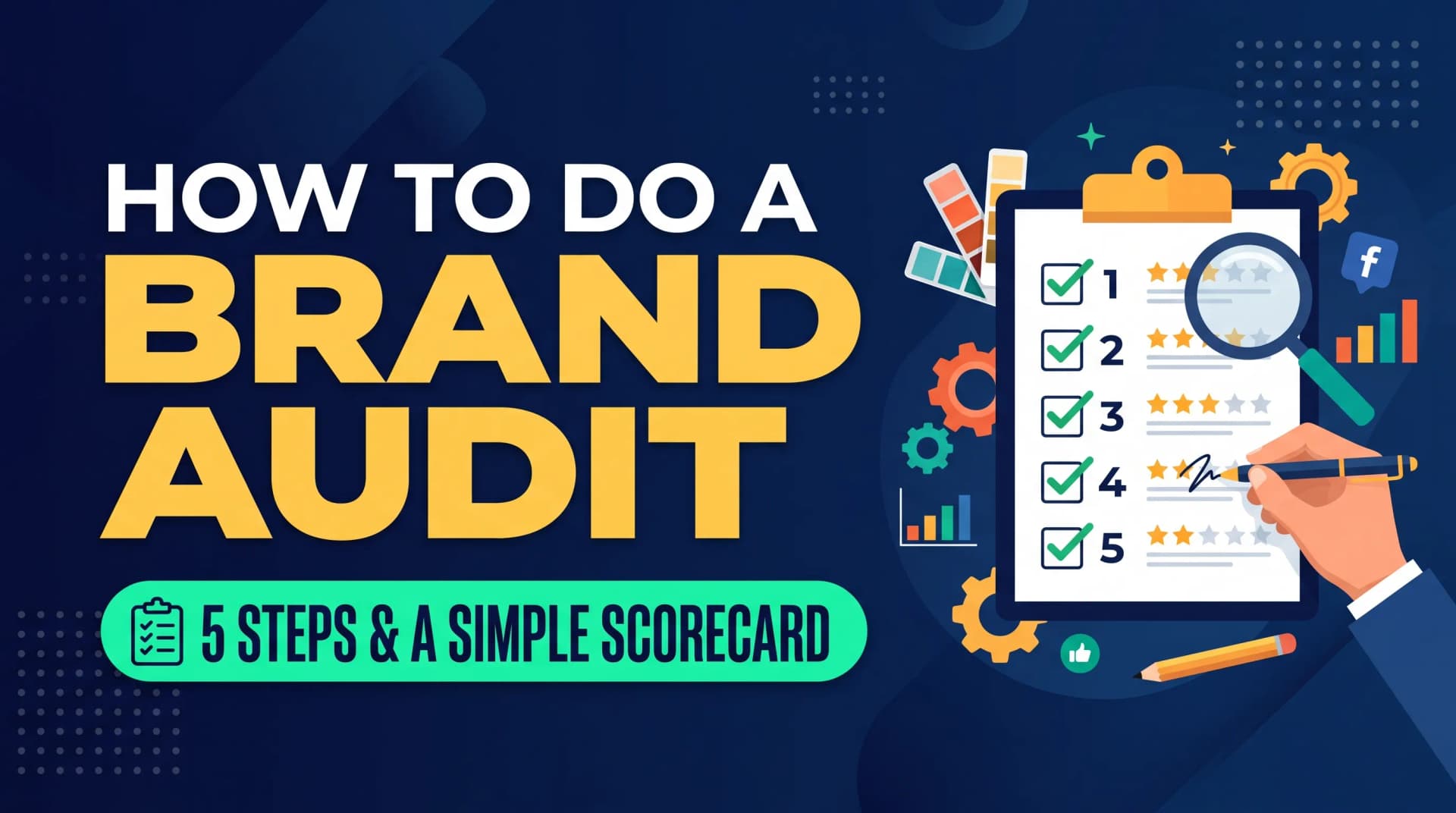
We believe marketers should treat this as a brand perception issue, not just a technology problem. A useful starting point is a structured brand audit, which helps compare what your organisation intends to communicate with what customers and external platforms actually understand.
It also connects with the principles behind brand positioning and perception maps. Your intended positioning and the way others perceive your brand are not automatically the same.
The same distinction matters when AI tools describe your organisation. Your website may communicate one message, while other online sources create different associations. Marketers can also strengthen this foundation by reviewing their brand positioning map and understanding how their wider brand management strategy connects positioning, communication and customer experience.
As AI becomes another discovery channel, these decisions deserve closer attention.
Why Do AI Models Disagree About the Same Brand?
Different AI platforms do not necessarily use identical information, retrieval methods or answer-generation processes. Even when they receive the same question, their responses may vary.
Common reasons include:
Different information sources: Models may retrieve or rely on different websites, articles, reviews and business references.
Outdated information: One model may reflect an older description of your business.
Unclear positioning: Your online content may communicate several competing messages.
Limited brand information: Some platforms may have insufficient reliable information about your organisation.
Different interpretation: Models can summarise the same information in different ways.
This is why marketers should not assume that one AI answer represents the complete market perception of their brand.
Your brand is also experienced through real customer interactions. Our guide to the difference between brand and customer experience explains why the promise communicated by a business must match what people actually experience.
AI disagreement is a signal to investigate, not an instruction to change your brand positioning immediately.