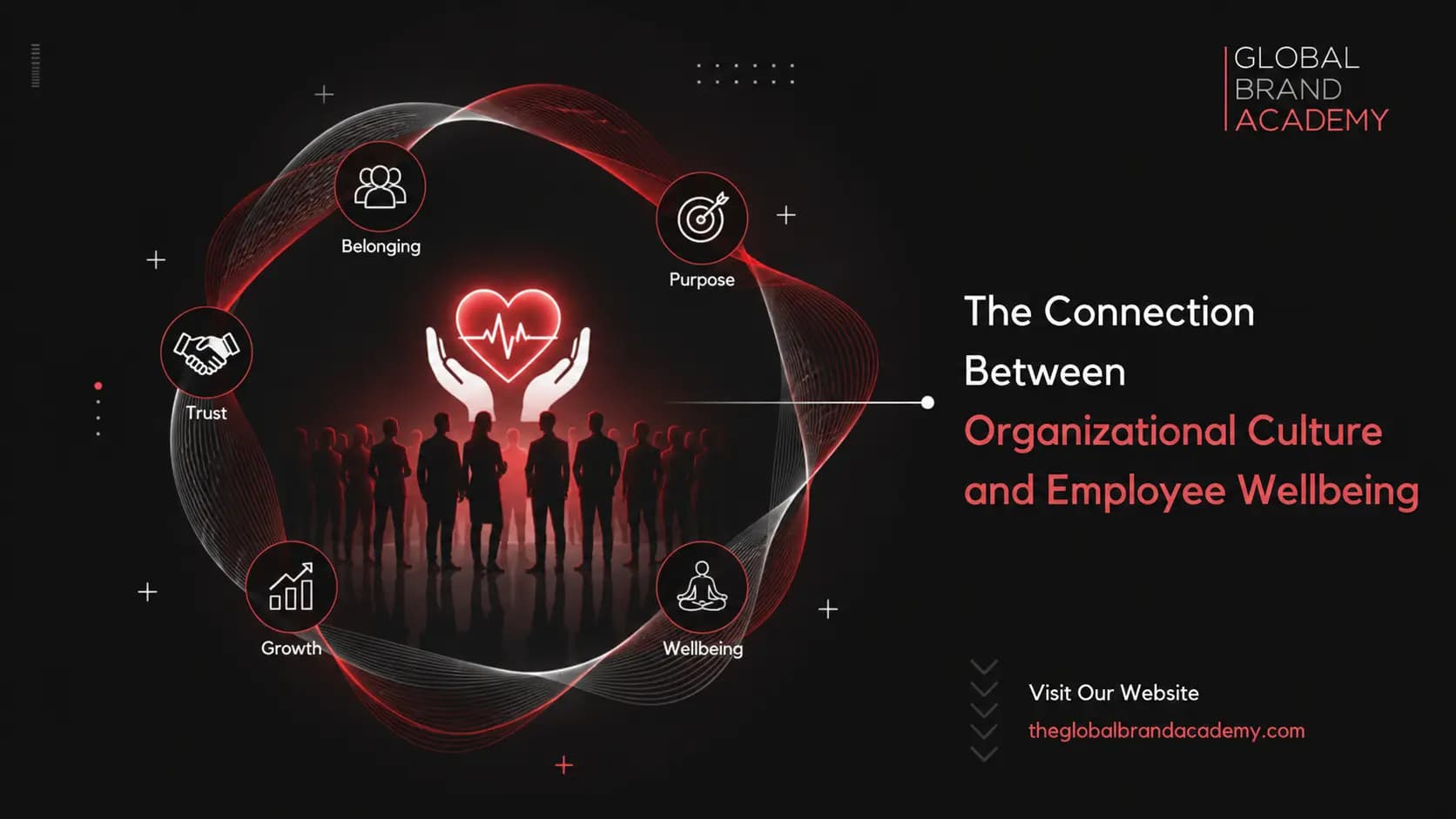
The importance of organizational culture has become widely recognized in today’s fast-paced corporate world. It is the bedrock on which employee experiences are built, engagement forms, and productivity thrives. At the same time, employee wellbeing has become a significant concern for organizations that want to attract top talent and boost overall performance. Organizational culture global brand academy has a deep and abiding effect on employees’ wellbeing.
Understanding Organizational Culture
Organizational culture is the shared values, beliefs, norms, and practices that shape an organisation’s functions and interacts. It touches every aspect of an employee’s journey, from your recruitment and onboarding process to day-to-day operations and long-term career development. A good culture encourages inclusivity, respect, and innovation; a bad one can cause stress, disengagement, and high churn rates.
Culture is the setting, not the scenery; it sets behaviours. Employee wellbeing needs to be at the centre of the culture and when leaders prioritize it, they truly make people feel valued and supported. Aligning culture with wellbeing initiatives has significant implications for the individuals and the organization.
The Importance of Employee Wellbeing
The well-being of employees encompasses physical, mental, emotional, and social health. Factors like work-life balance, job satisfaction, co-worker relationships, and resource access impact it. People who feel supported tend to be engaged, motivated, and productive workers. Conversely, failing to prioritize employee well-being can result in burnout, absenteeism and lower performance.
Organizations that prioritize wellbeing recognize that employees are their greatest asset. By the way, investing in holistic wellbeing programs helps them to create a culture of care and trust. It doesn’timproves individual performance and strengthens team dynamics, innovation, and resilience across the organization.
How Organizational Culture Impacts Employee Wellbeing
An organization that fosters a culture prioritizing wellbeing creates a ripple effect throughout the organization. It starts with leadership—leaders who demonstrate healthy behaviours and put wellbeing first create the tone for the team. When employees see their leaders taking breaks, promoting work-life balance and supporting mental health, they feel empowered to do the same.
The other key aspect is communication. Clear and transparent communication promotes psychological safety, enabling employees to raise concerns and seek support without fear of criticism. That fosters trust and collaboration because organizations embrace feedback and listen to their employees’ needs.
Flexibility is increasingly important in today’s workforce. A culture that embraces flexible work arrangements remote work, flexible hours, or job-sharing demonstrates a commitment to individual needs. This flexibility reduces stress and helps employees achieve better work-life balance, improving wellbeing and productivity.
Having inclusivity and diversity is also a part of employee wellbeing. A culture that embraces differences and prioritizes equity guarantees that all employees feel seen, heard, and valued. This sense of belonging is essential for mental and emotional wellbeing, as it fosters a supportive and collaborative environment.