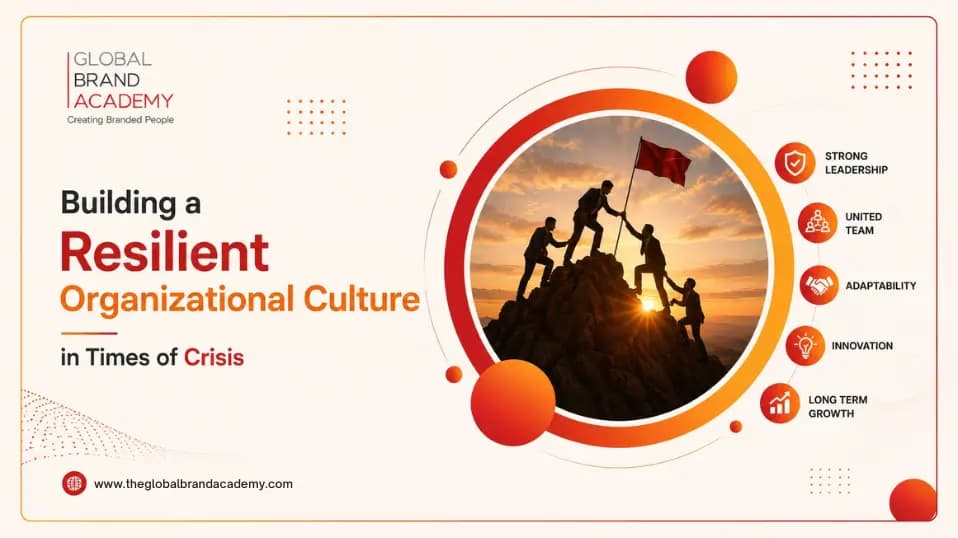
Crises always happen in the lifecycle of any organization. From an economic recession to a global pandemic to a sudden shock in the markets, crises challenge the resilience and flexibility of organizational culture. A culture of resilience within an organization acts as a bedrock that enables companies to weather the storm and spring back stronger. Creating and fostering such a culture amidst a crisis demands deliberate direction, purpose alignment, and clear values.
The Importance of Resilience in Organizational Culture
Resilience is adapting, recovering and becoming even stronger while facing difficulties. Resilience is an element of organization culture and represents employees’ and leaders’ mindset and behaviours. It means fostering a culture where individuals feel supported, empowered, and inspired to face the obstacles together.
Organizations equipped with a resilient culture are better positioned to ensure continuity of operations, drive innovation, and protect employee morale in chaotic times. It also builds trust and loyalty among stakeholders — from employees to customers and investors. Organizations that focus on developing resilience are more agile in managing uncertainty and seizing new opportunities.
Core Pillars of a Resilient Culture
Strong Leadership: Leaders play an essential role in building and maintaining resilience. They modelled transparency, empathy and decisiveness. In a crisis, employees look to leaders to set an example. Leaders who communicate openly, acknowledge challenges and provide a clear path forward instil confidence and stability.
Adaptability: A resilient culture evolves and embraces agility. Organizations must be willing to rethink traditional approaches, innovate new methods and shift strategies when necessary. Promoting a growth mindset among its employees means seeing challenges as opportunities to learn and innovate.
Collaboration and Unity: Crises require collective effort and teamwork. A resilient culture prioritizes collaboration, breaking down silos and promoting open communication. Employees who feel a sense of unity and shared purpose are more likely to contribute their best efforts to overcome challenges.
Employee Well-Being: Resilience isn’t solely about organizational systems; it’s also about people. Especially during crises, ensuring employees’ physical, emotional and mental well-being is critical. Well-being-focused organizations have a culture of caring and trust, allowing people to do their best work.
Strategies for Building Resilience During a Crisis
1. Reinforce Core Values: Core values are a lighthouse in uncertain times. Emphasizing these values is a touchstone for employees to ensure they remain anchored and focused on what is essential. All leaders must constantly promote and demonstrate these values by ensuring that these values are integrated into the decision-making process in the organization and the day-to-day workings.
2. Prioritize Transparent Communication: Uncertainty breeds anxiety in a crisis. Transparent communication addresses concerns, dispels rumours, and builds trust. Leaders should provide regular updates, explain the rationale behind decisions, and be honest about challenges and uncertainties. Cultivating open lines of communication helps employees feel seen and valued.
3. Empower Decision-Making: Empowering employees to make decisions promotes ownership and accountability. By giving teams the autonomy to shape their response, organizations may be able to navigate through a crisis faster. The leaders need to give them clear guidelines and then leave them to do the right thing for the organization
4. Foster a Learning Culture: Unique challenges in crises typically allow for and require innovative solutions. A strong culture creates a learning-oriented and experimental environment. A “fail forward” approach to organizational learning fosters an environment where staff feel secure taking risks and learning from their failures.
5. Celebrate Small Wins: Recognizing and celebrating achievements, no matter how small, boosts morale and reinforces a positive mindset. Even during a crisis, these little wins are beacons of progress and resilience, encouraging employees to continue to drive forward.