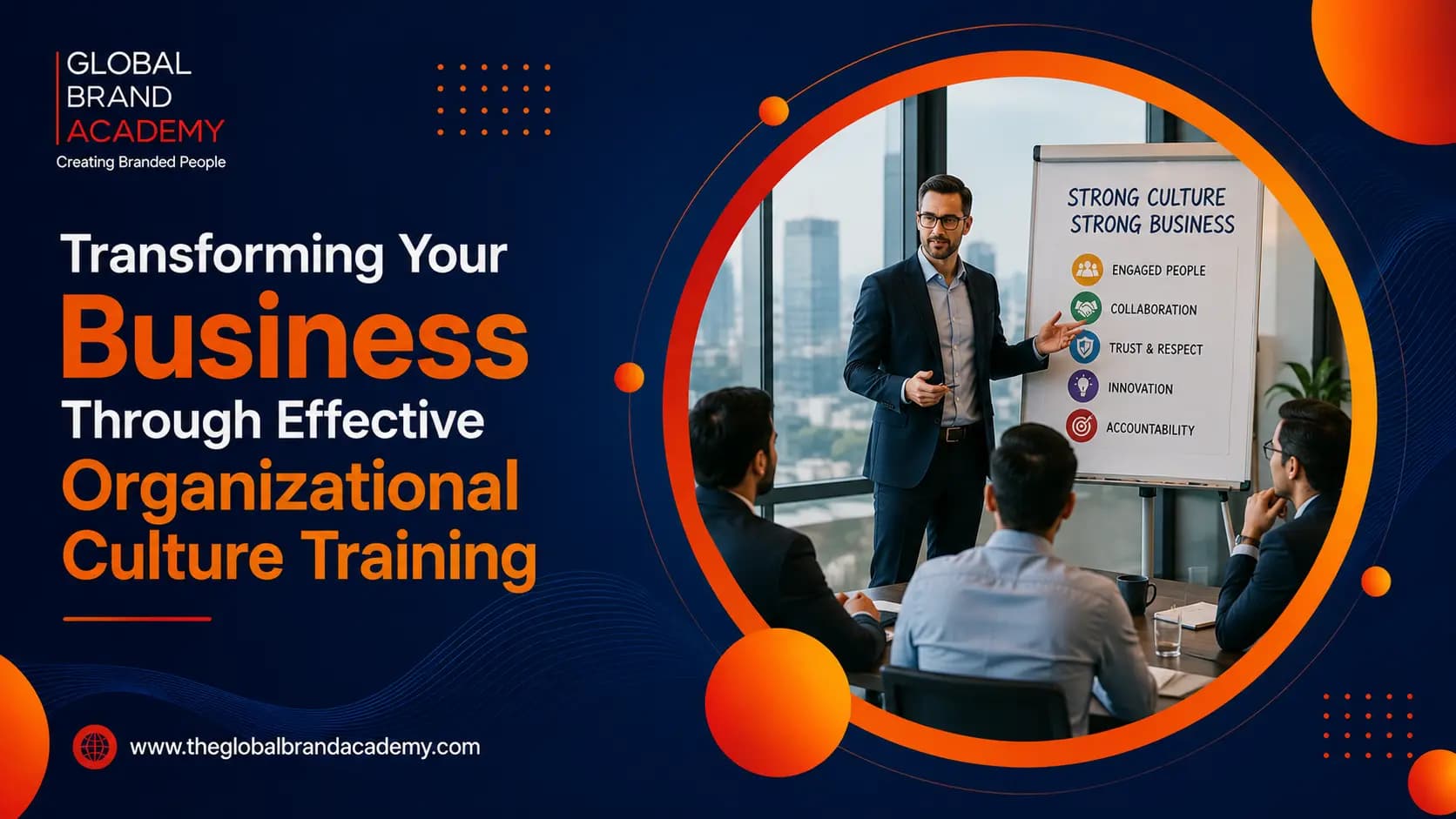
The modern business world is busy and fast-paced; however, the success of any business or organization not only depends on strategic planning and operational efficiency, but also on strong and flexible Organizational Culture development. This culture forms the backbone of a company, influencing everything from employee morale to customer satisfaction. Training programs designed to develop and refine Organizational Culture are powerful tools for transforming businesses, aligning teams with shared values, and driving sustained growth.
Understanding the Impact of Organizational Culture
At its core, Organizational Culture dictates the values, beliefs, and practices that shape how a company works. It influences how employees communicate, make decisions, and perform their tasks. Good culture enables working together, innovation, and shared accountability on delivering the right results, whereas weak or misaligned culture can lead to disengagement and inefficiency.
A good training programme works on aligning the culture with business objectives, where each team member understands the vision of the organisation and embraces that path. These programs contribute to creating an environment in which employees feel motivated and supported by addressing both tangible and intangible aspects of culture.
The Role of Training in Shaping Culture
Education and awareness are the first steps in transforming organizational culture. Training programs are the bedrock of culture change, providing employees with the information and resources needed to proactively demonstrate the kind of values and actions the organization seeks.
For example, if you conduct events like workshops on communication, teamwork, etc, it can eliminate the gap between departments and help instill an attitude of teamwork. Unconscious bias and diversity training sessions can be equally effective at fostering inclusion in the workplace. Embedding the values where the daily practices take place ensures that the organization’s core values will be honored on a day to day basis.
Moreover, culture training is not limited to employees. Leaders play a critical role in shaping and maintaining Organizational Culture, and their commitment sets the tone for the rest of the team. Leadership development programs focused on cultural awareness and change management empower managers to guide their teams effectively.
Driving Engagement and Productivity
A well-defined Organizational Culture can deliver several advantages over time—one of the biggest ones being improved employee engagement. That’s because when people connect with their company’s mission and values, they’re more likely to give their all.
Training programs enable employees to understand their role in achieving organizational goals, which increases their sense of purpose and belonging. This means their values and those of the company they work for align, resulting in a sense of purpose, increased levels of motivation, productivity and job satisfaction.
A strong culture also builds a solid foundation where employees feel that they can abstractly bring forward an idea or two without being put down. Such openness fosters innovation and problem-solving that propels the business forward.