5. Accountability Earns Respect
Strong leaders never shift blame when things go wrong. They take responsibility for their decisions, acknowledge mistakes, and focus on finding solutions instead of pointing fingers. This behaviour sets the standard for the entire team and creates a culture where accountability becomes everyone's responsibility.
When leaders own their actions, employees are more likely to do the same. Teams become more transparent, collaboration improves, and problems are resolved faster because people focus on learning rather than assigning blame.
Accountable leaders consistently:
Take ownership of results.
Accept feedback with an open mind.
Learn from setbacks instead of hiding them.
Encourage responsibility across the team.
Recognize both successes and areas for improvement.
6. Adaptability Helps Leaders Thrive During Change
Change is no longer an occasional business challenge. It is a constant reality. New technologies, changing customer expectations, and evolving market conditions require leaders to stay flexible and make informed decisions quickly.
Adaptable leaders remain calm during uncertainty. Instead of resisting change, they see it as an opportunity to improve processes, develop new skills, and help their teams grow. Their positive attitude encourages employees to embrace change with greater confidence.
Organizations that invest in Change Management Training often develop leaders who are better prepared to guide teams through transformation while maintaining productivity and employee engagement.
7. Continuous Learning Drives Long-Term Success
The most successful leaders never stop learning. They understand that leadership is a journey, not a destination. Every experience, challenge, and conversation offers an opportunity to become a better leader.

Continuous learning may include attending workshops, reading industry insights, seeking feedback, working with mentors, or developing new skills. Leaders who invest in their own growth inspire their teams to adopt the same mindset, creating a culture of continuous improvement throughout the organization.
As artificial intelligence and digital transformation reshape industries, learning has become even more important. Many organizations are combining leadership development with AI Training for Leaders to help managers make smarter decisions, improve productivity, and lead confidently in an AI-powered workplace.
How Many Characteristics Do You Have?
Take a moment to reflect on your own leadership style. Ask yourself these questions:
Do I communicate clearly and listen actively?
Do my actions consistently reflect my values?
Do I inspire my team instead of simply managing them?
Do I understand and respond to people's emotions effectively?
Do I take responsibility for my decisions?
Am I open to change and new ideas?
Do I actively invest in my own learning and development?
The more "yes" answers you have, the stronger your leadership foundation is. If there are areas where you answered "no," don't see them as weaknesses. See them as opportunities to grow.
Final Thoughts
Great leadership is built through consistent actions, not titles or authority. Leaders who communicate clearly, act with integrity, inspire others, demonstrate emotional intelligence, take accountability, embrace change, and commit to continuous learning create stronger teams and more successful organizations.
The encouraging part is that every one of these characteristics can be developed. By investing in your own growth and applying these qualities consistently, you can become the kind of leader who earns trust, motivates others, and delivers lasting results.
If your organization is looking to build confident, future-ready leaders, structured leadership development can make a measurable difference.
Ready to Develop Stronger Leaders?
Great leadership doesn't happen by chance. It is built through continuous learning, practical experience, and the willingness to grow. At Global Brand Academy, our leadership development programmes help managers and professionals strengthen the skills needed to lead with confidence, inspire teams, and drive lasting business results.
Explore our Leadership Development Programmes today and empower your leaders to make a greater impact.
Explore Leadership Programmes
Frequently Asked Questions (FAQ)
1. What are the seven characteristics of a good leader?
The seven essential characteristics of a good leader are clear communication, integrity, the ability to inspire others, emotional intelligence, accountability, adaptability, and a commitment to continuous learning. Together, these qualities help leaders build trust, improve team performance, and achieve long-term business success.
2. Can leadership skills be learned?
Yes. Leadership is a skill that can be developed through practice, training, coaching, and real-world experience. While some people may naturally possess certain leadership qualities, effective leadership comes from continuous learning and consistent self-improvement.
3. Why is communication important in leadership?
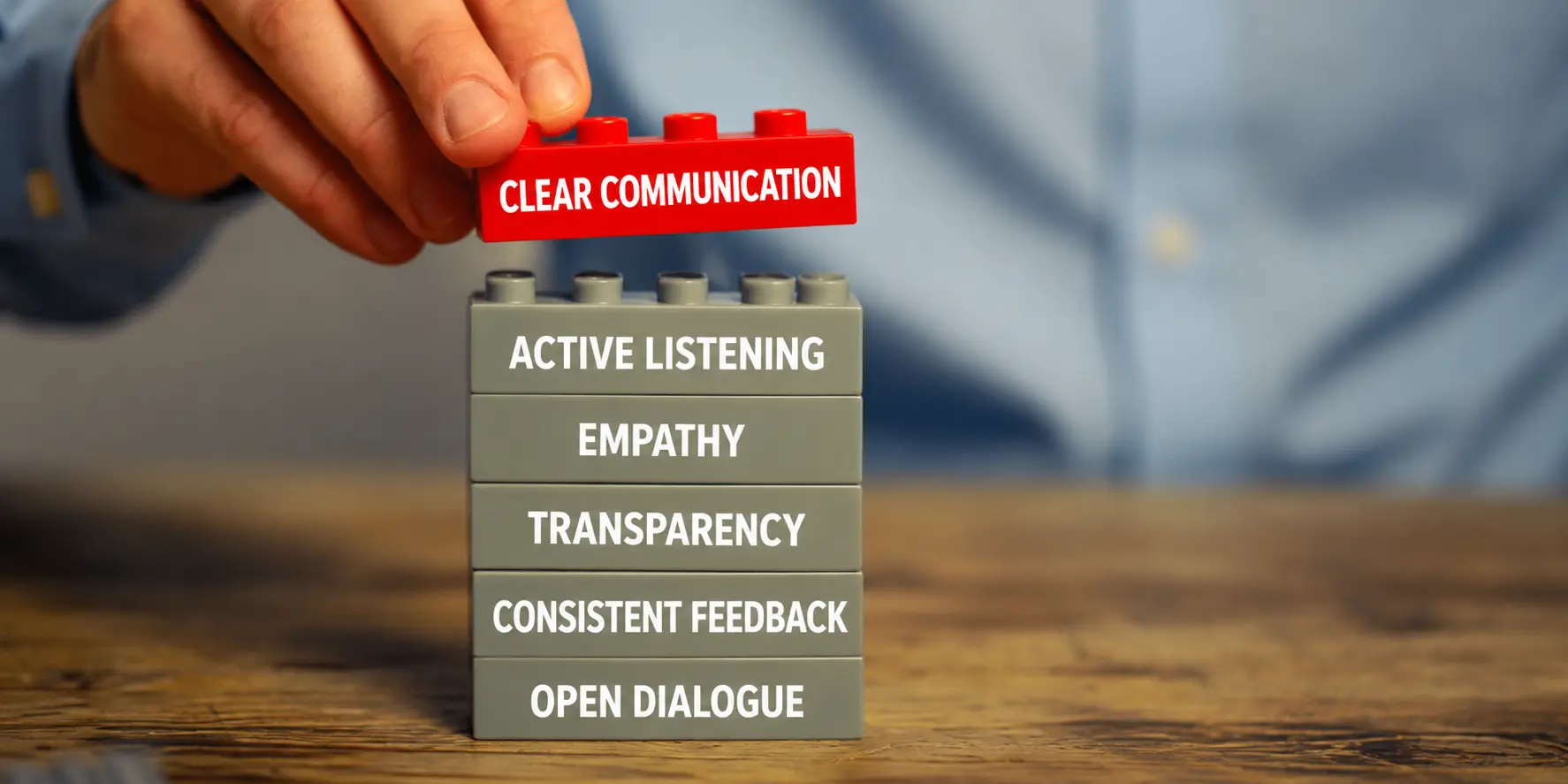
Communication helps leaders set clear expectations, align teams with organizational goals, resolve conflicts, and build trust. Leaders who communicate effectively create stronger collaboration and improve employee engagement.
4. How does emotional intelligence improve leadership?
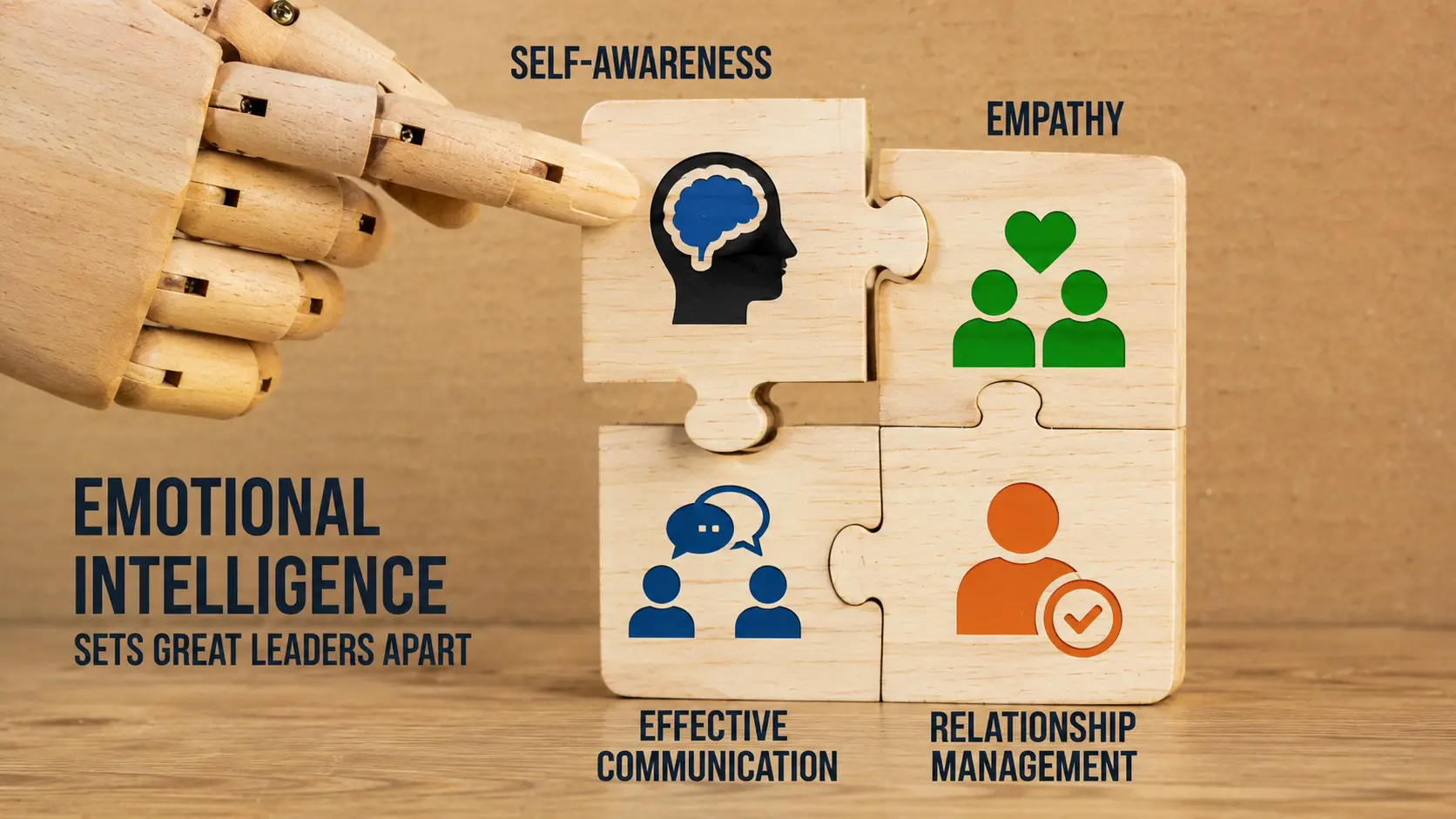
Emotional intelligence enables leaders to understand their own emotions while responding effectively to the emotions of others. This helps them manage conflict, build stronger relationships, make better decisions, and create a positive workplace culture.
5. Why is integrity considered one of the most important leadership qualities?
Integrity builds credibility and trust. Leaders who act honestly, keep their promises, and make ethical decisions earn the respect of their teams and create an environment where accountability and transparency become part of the workplace culture.
6. How can organizations develop better leaders?
Organizations can develop stronger leaders by investing in structured leadership development programmes, executive coaching, experiential learning, communication workshops, and continuous professional development. Practical learning experiences help leaders apply new skills with confidence.

.webp&w=1920&q=75 "7 Characteristics of a Good Leader Every Professional Should Develop")