Logo
Brand Transformation

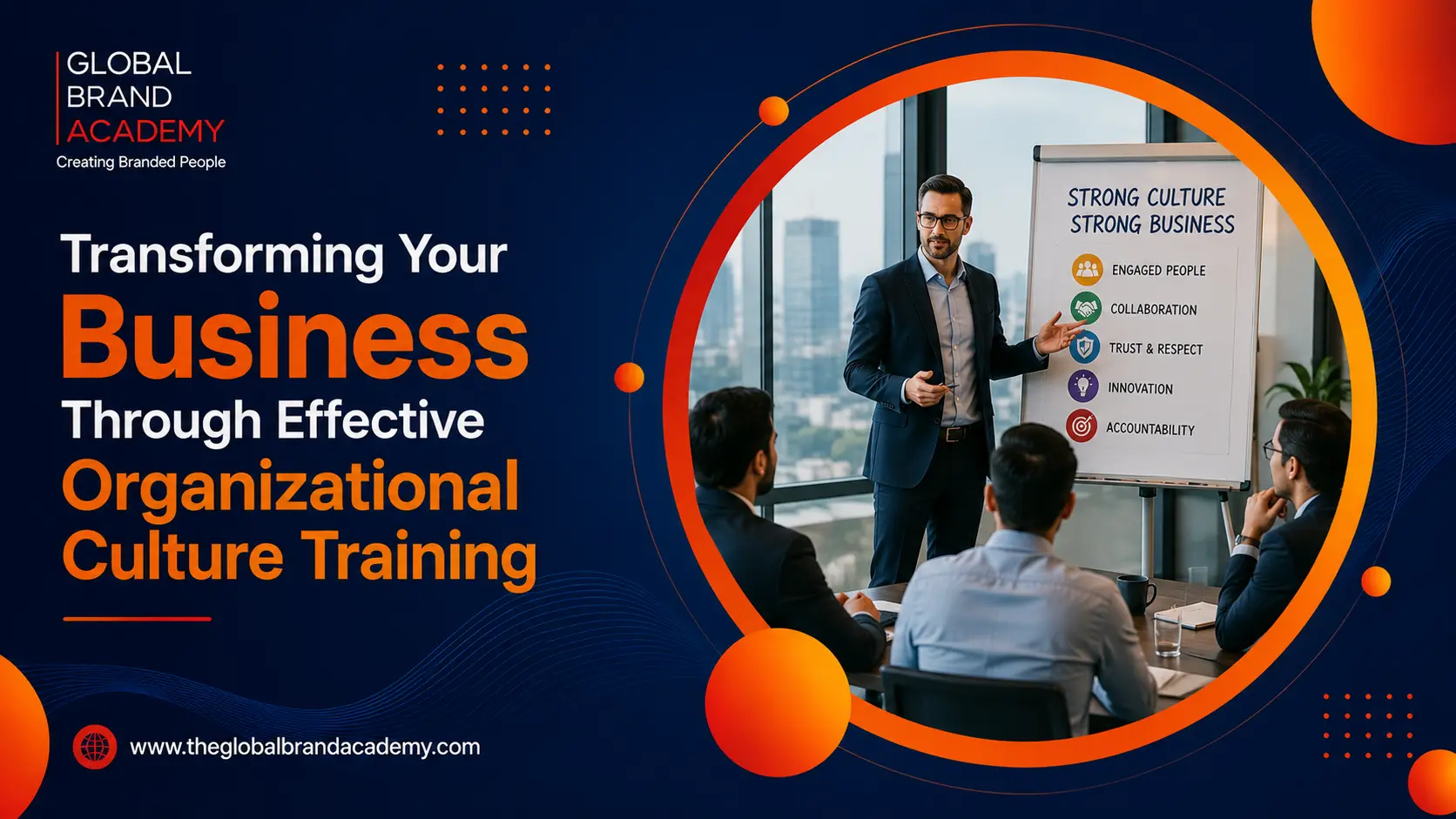
Transforming Your Business Through Effective Organizational Culture Training

Published on July 16, 2026By Team Dr. Jerome Joseph
Transforming Your Business Through Effective Organizational Culture Training

The modern business world is busy and fast-paced; however, the success of any business or organization not only depends on strategic planning and operational efficiency, but also on strong and flexible Organizational Culture development. This culture forms the backbone of a company, influencing everything from employee morale to customer satisfaction. Training programs designed to develop and refine Organizational Culture are powerful tools for transforming businesses, aligning teams with shared values, and driving sustained growth.

Understanding the Impact of Organizational Culture

At its core, Organizational Culture dictates the values, beliefs, and practices that shape how a company works. It influences how employees communicate, make decisions, and perform their tasks. Good culture enables working together, innovation, and shared accountability on delivering the right results, whereas weak or misaligned culture can lead to disengagement and inefficiency.

A good training programme works on aligning the culture with business objectives, where each team member understands the vision of the organisation and embraces that path. These programs contribute to creating an environment in which employees feel motivated and supported by addressing both tangible and intangible aspects of culture.

The Role of Training in Shaping Culture

Education and awareness are the first steps in transforming organizational culture. Training programs are the bedrock of culture change, providing employees with the information and resources needed to proactively demonstrate the kind of values and actions the organization seeks.

For example, if you conduct events like workshops on communication, teamwork, etc, it can eliminate the gap between departments and help instill an attitude of teamwork. Unconscious bias and diversity training sessions can be equally effective at fostering inclusion in the workplace. Embedding the values where the daily practices take place ensures that the organization’s core values will be honored on a day to day basis.

Moreover, culture training is not limited to employees. Leaders play a critical role in shaping and maintaining Organizational Culture, and their commitment sets the tone for the rest of the team. Leadership development programs focused on cultural awareness and change management empower managers to guide their teams effectively.

Driving Engagement and Productivity

A well-defined Organizational Culture can deliver several advantages over time—one of the biggest ones being improved employee engagement. That’s because when people connect with their company’s mission and values, they’re more likely to give their all.

Training programs enable employees to understand their role in achieving organizational goals, which increases their sense of purpose and belonging. This means their values and those of the company they work for align, resulting in a sense of purpose, increased levels of motivation, productivity and job satisfaction.

A strong culture also builds a solid foundation where employees feel that they can abstractly bring forward an idea or two without being put down. Such openness fosters innovation and problem-solving that propels the business forward.

Building Resilience and Adaptability

In the fast-paced world of business, being agile is more important than ever. Organizations that possess a resilient Organizational Culture are better able to understand and capitalize on challenges and opportunities.

Training that focuses on adaptability and continuous learning will help ensure teams are ready for whatever change may come. For example, sessions on agile methodologies or change management can help employees remain flexible and focused in a time of change.

Resilience breeds growth, which allows employees to see failures as an opportunity for growth. This outlook translates not only to better performance but also to a more robust organizational immune system in a time of uncertainty.

Enhancing Customer Relationships

The influence of Organizational Culture extends beyond internal operations—it also shapes how a company interacts with its customers. A culture that prioritizes values like integrity, empathy, and excellence creates a positive customer experience, building trust and loyalty.

Training programs may explain to employees how culture ties with customer service and contribute to the development of corporate culture. Focusing on caring and communicating, these programs make sure your team members deliver on the promise to the business every time.

Also a strong culture attracts and keeps top talent making sure the customers are served by skilled and passionate professionals. The alignment of employee and customer satisfaction creates a virtuous cycle that fuels business growth.

Build a High-Performance Workplace Culture That Inspires People and Drives Results

Sustaining Cultural Transformation

We know that transforming Organizational Culture should not be a one-time initiative—it requires constant work done repeatedly. The training is a starting point, but long term success only comes from incorporating cultural principles into day to day business.

Ongoing workshops, feedback sessions, and team-building activities ensure that cultural values remain top of mind, provide opportunities for continuously improving the culture, and allow for fine-tuning. Also, appreciating and celebrating cultural achievements strengthens the value of these initiatives.

Leaders must also remain committed to upholding and evolving the culture. By modeling desired behaviors and holding themselves accountable, they inspire their teams to do the same.

Conclusion

Organisational Culture training helps the business undergo the transformation from the inside out. Organizations build a framework for sustaining long-term success by aligning employees to common values, increasing engagement, and developing resilience through these programs.

In a competitive world, a great culture is not just an advantage, but also a must-have. Companies that make training investment and culture-building a priority prepare themselves to attract top talent, provide great customer experiences, and adapt to changing circumstances.

For organizations looking to thrive within today’s multifaceted world, the first step is recognizing and honing their Organizational Culture. With the right training program and a commitment to continuous improvement, companies can unlock their full potential and achieve sustainable growth.

Related Posts