
Discover Your Leadership Style and Lead with Greater Impact and Influence
Global Brand Academy helps leaders and organisations understand the different types of leadership styles and develop the leadership presence, communication, and emotional intelligence needed to inspire teams and drive lasting results across Singapore and Asia.


Trusted by Leading Organisations Worldwide
GBA has partnered with over 1,000 brands and developed 1.2 million leaders across Asia, ANZ, Europe, and the Middle East to build stronger, more impactful leadership at every level of the organisation.















































Leadership Programmes for Every Style and Level
Ten expert-led leadership programmes designed to develop self-aware, high-impact leaders. Delivered as keynotes, masterclasses, or workshops.

Transformational Leadership
Inspiring Teams to Go Beyond Their Limits and Achieve Extraordinary Results

Servant Leadership
Leading Through Service, Empathy, and People-First Thinking

Situational Leadership
Adapting Your Leadership Style to Every Team Member and Situation

Visionary Leadership
Creating a Compelling Future That Inspires Teams to Follow

Authentic Leadership
Leading with Genuine Character, Values, and Self-Awareness

Coaching Leadership
Developing People Through Curiosity, Feedback, and Empowerment

Democratic Leadership
Building High-Trust Teams Through Inclusion and Collaborative Decision-Making

Executive Presence for Leaders
Commanding Respect and Inspiring Confidence at the Highest Levels

Emotional Intelligence for Leaders
Leading with Self-Awareness, Empathy, and Interpersonal Effectiveness

Brand-Led Leadership
Leading Through Brand Values to Build Culture, Trust, and High Performance

About Global Brand Academy
Leadership Training and Development for Leaders Across Singapore and Asia



WHY LEADING ORGANISATIONS CHOOSE GBA
Proven Expertise. Measurable Transformation.
From global thought leadership to AI-driven capability building, GBA delivers scalable learning and sustained performance across markets.

Global Expertise, Built Into the Academy
30+ years of expertise across 40+ countries and 1,000+ brands.

Thought Leadership That Sets Direction
Founded by Dr Jerome Joseph, a global authority on branding.

Robust Frameworks, High-Impact Learning
Scalable methodologies refined over decades for real-world results.

Integrated Capability for Business Performance
Total organisational alignment across Brand, Culture, and AI.

AI as a Strategic Capability
Strategic AI applications designed for immediate executive execution.

Transformation Proven at Scale
Impacting over 1.2 million leaders and professionals worldwide.

Boardroom-Level Perspective
Commercially grounded programmes shaped by boardroom experience.

High-Engagement, Highly Customised Experiences
Tailored, interactive experiences that drive lasting behavior change.

Why Understanding Your Leadership Style Makes You a More Effective Leader
Leaders who understand their own style lead with greater self-awareness, consistency, and impact. Without this clarity, leaders often default to the same approach in every situation, limiting their effectiveness with different people and contexts.
- Self-awareness helps leaders play to their strengths and manage their blind spots
- Understanding your style builds consistency and trust with your team
- Knowing when to adapt your approach improves outcomes in complex situations
GBA's leadership training helps leaders discover their natural style and develop the flexibility to lead more effectively across any team or situation.

How Different Leadership Styles Shape Team Culture and Business Performance
Different leadership styles produce fundamentally different team cultures and business results. Transformational leaders drive innovation. Servant leaders build loyalty. Situational leaders get the best from every individual. The style a leader adopts shapes how their team communicates, performs, and grows.
- Leadership style directly influences team engagement and retention
- The right style for the situation drives faster, better decisions
- Adapting style to team needs builds stronger individual performance
GBA teaches leaders how to understand, develop, and adapt their leadership style to build high-performing teams and deliver stronger business results.
.webp)
What GBA Leadership Training Delivers for Leaders and Organisations
Leaders who complete GBA's training programmes develop stronger self-awareness, greater influence, and a clearer, more consistent leadership identity that their teams respect and follow.
- Greater confidence and clarity in their leadership style and approach
- Stronger team engagement, trust, and communication across all levels
- Practical tools to adapt their style and lead more effectively in any situation
GBA participants consistently report measurable improvements in team performance, leadership confidence, and organisational culture after completing the programme.

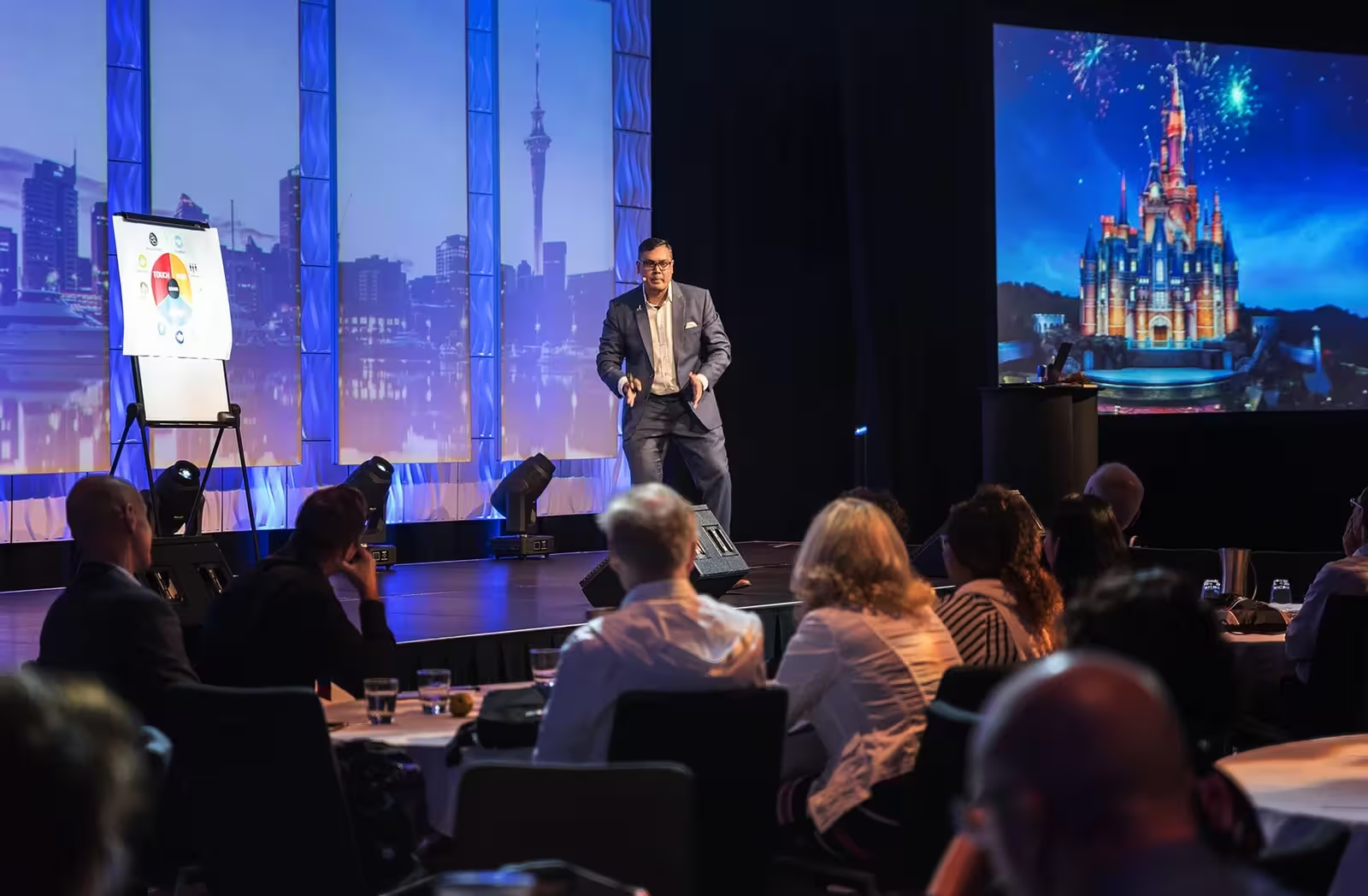
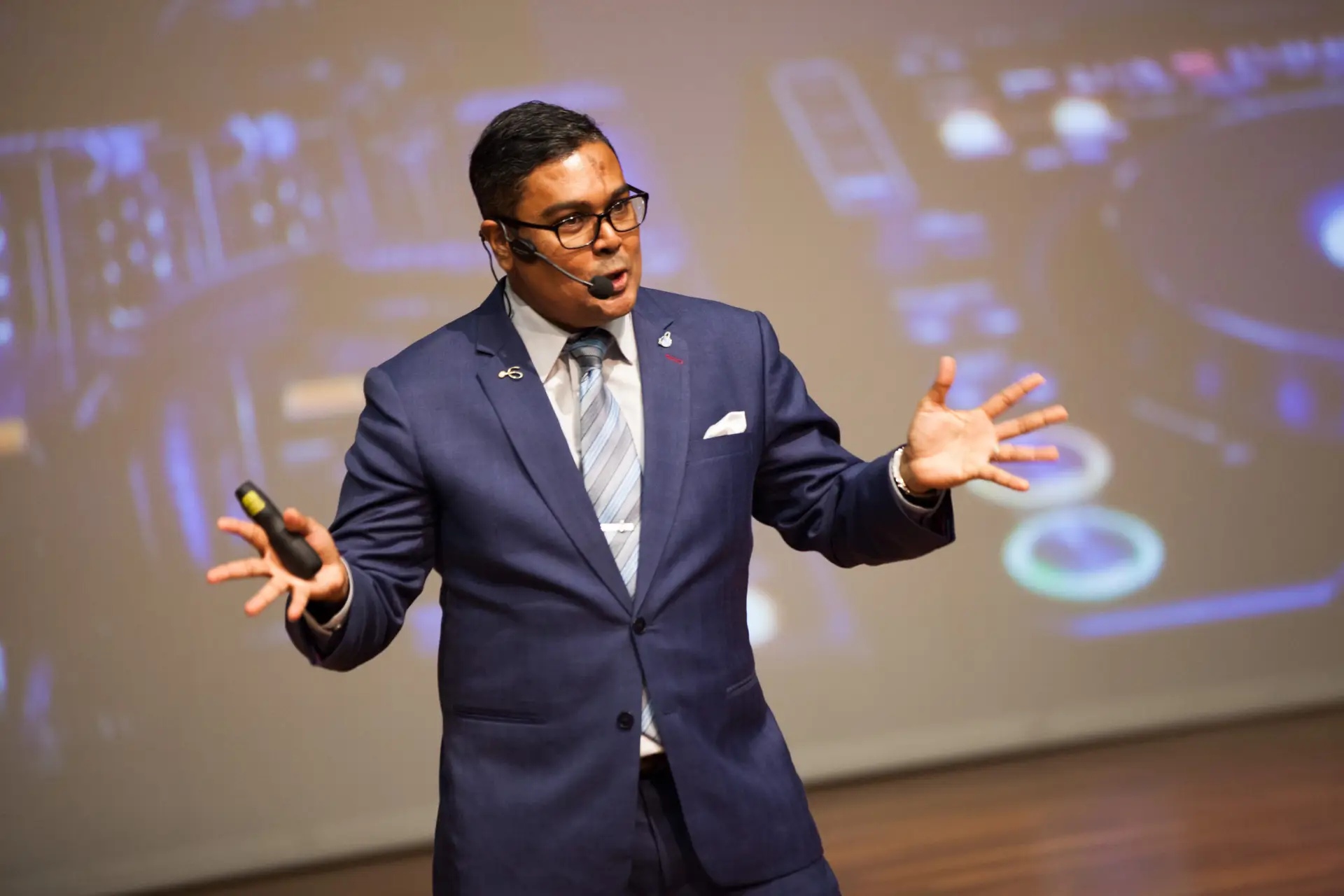
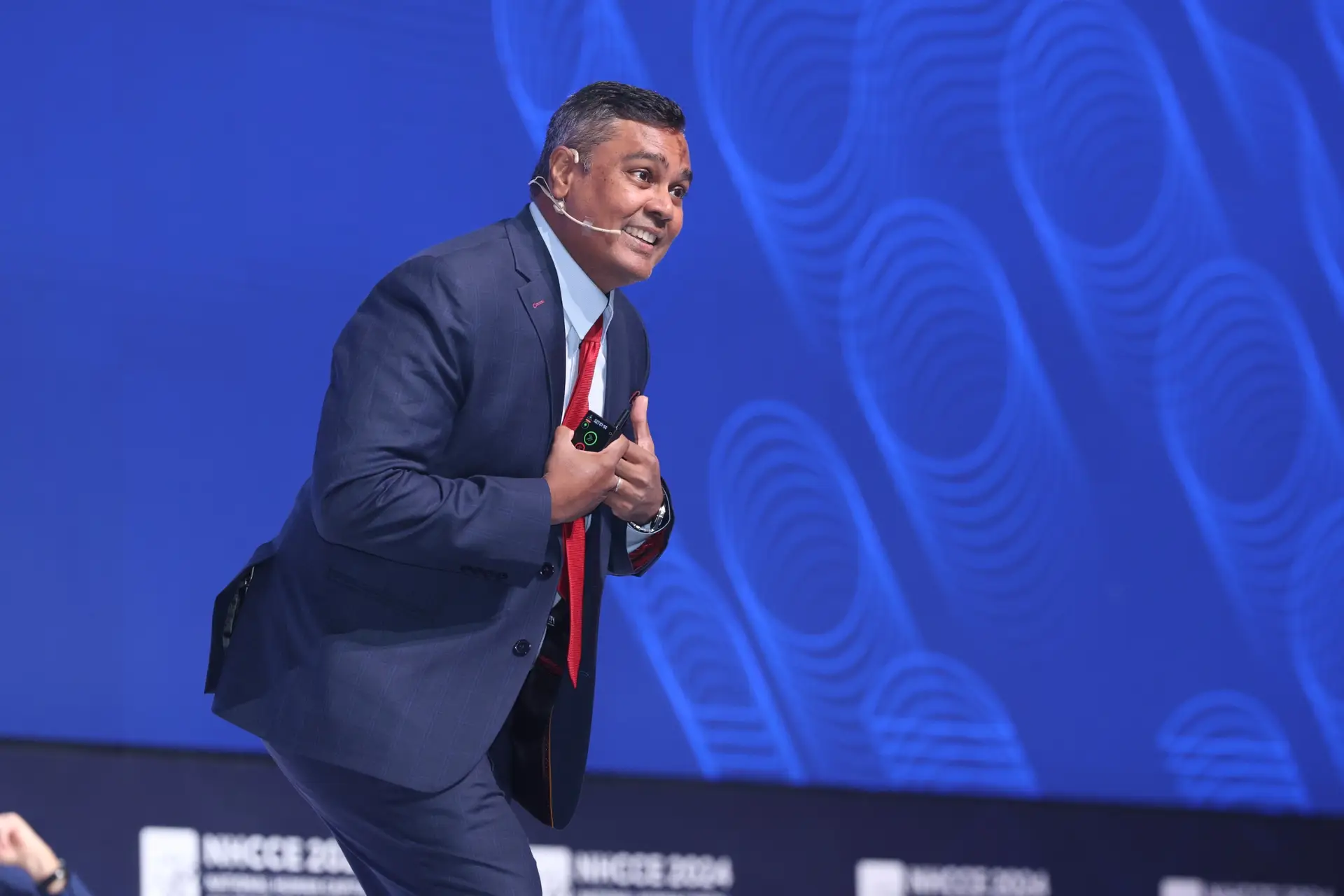
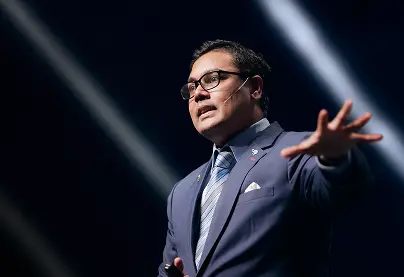
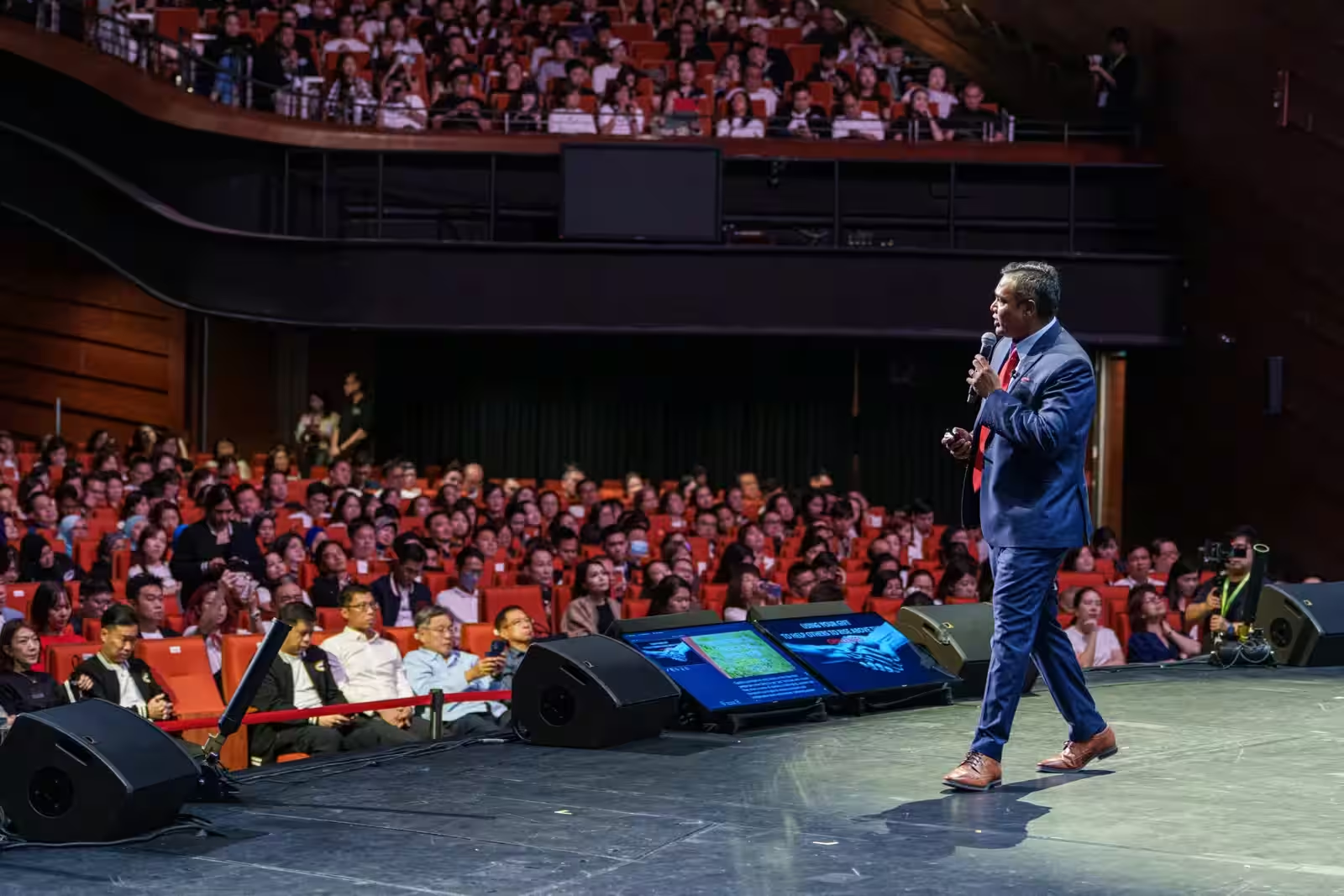
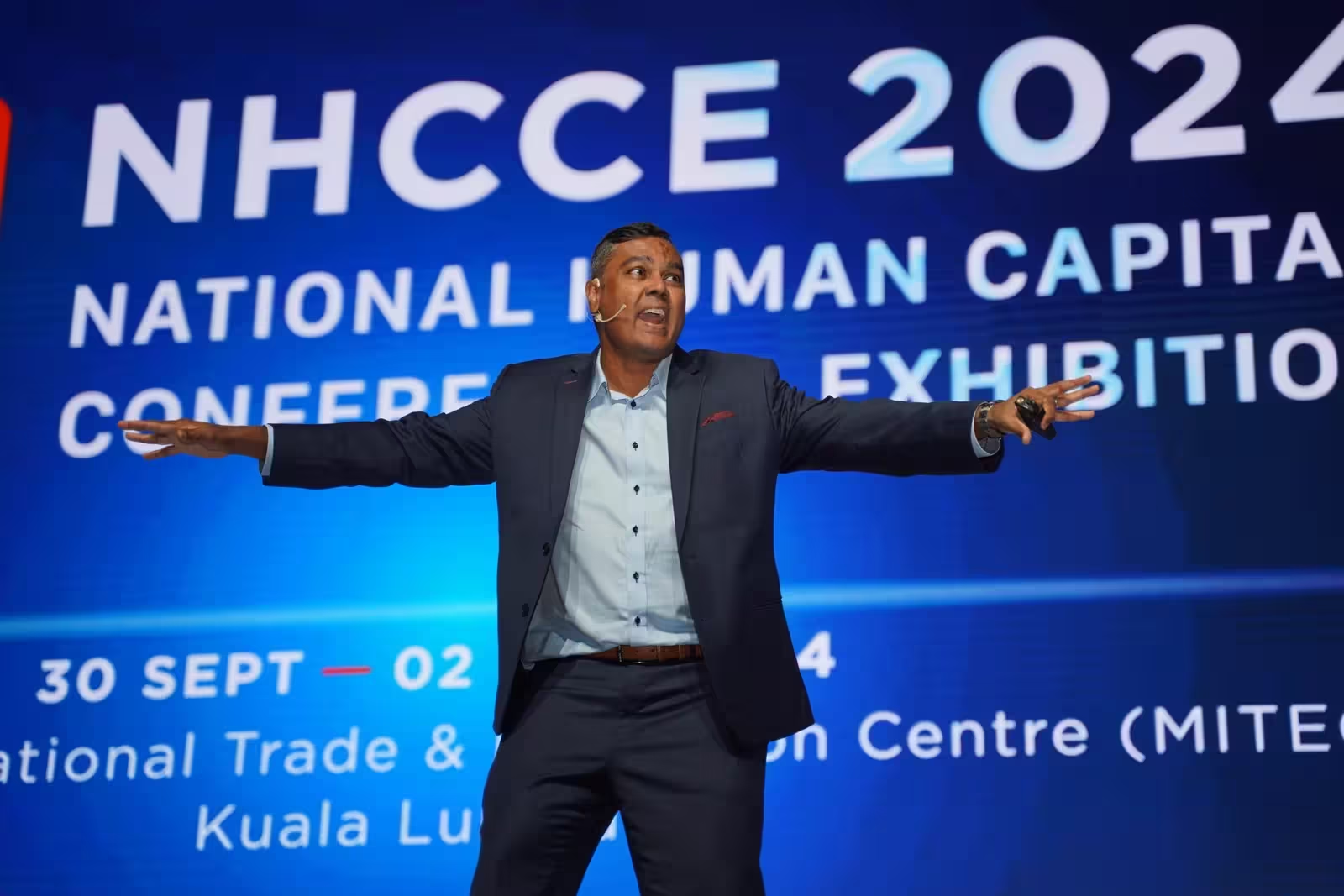
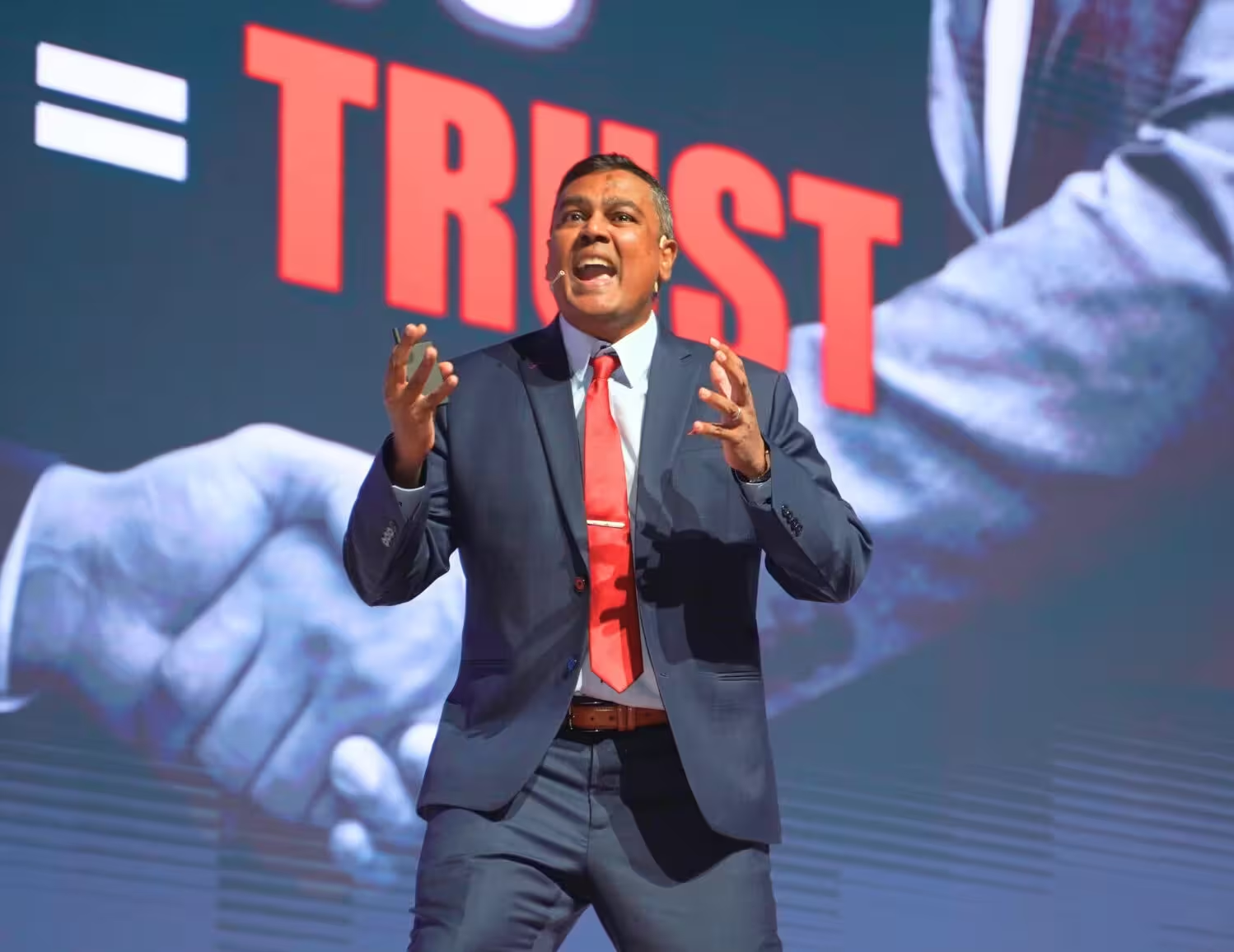
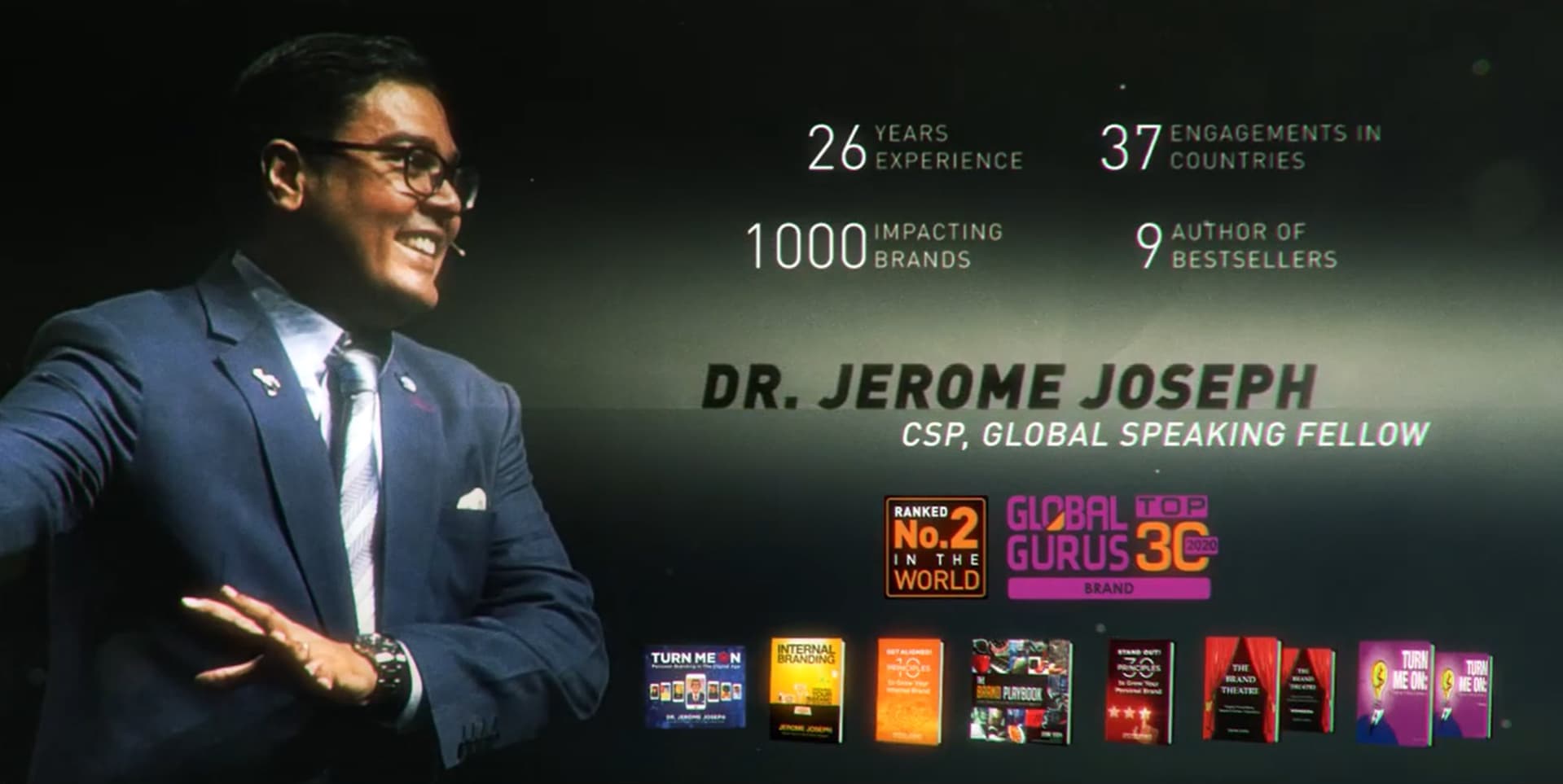
In the moment. On stage. Impact.
Experience branding power that inspires action



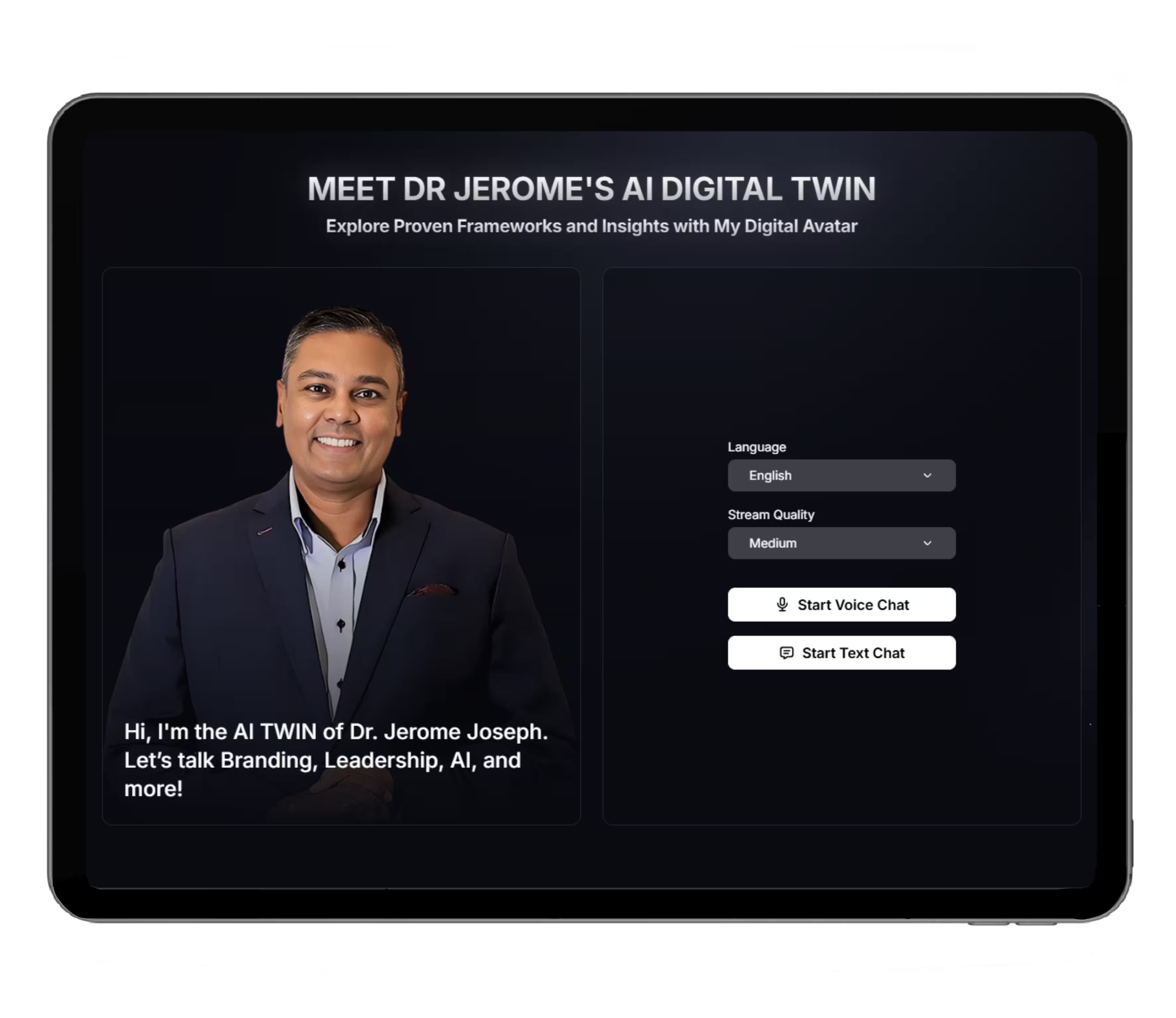
MEET DR. JEROME'S AI TWIN
Ask questions. Get insights. Explore branding like never before.


SEE US IN ACTION
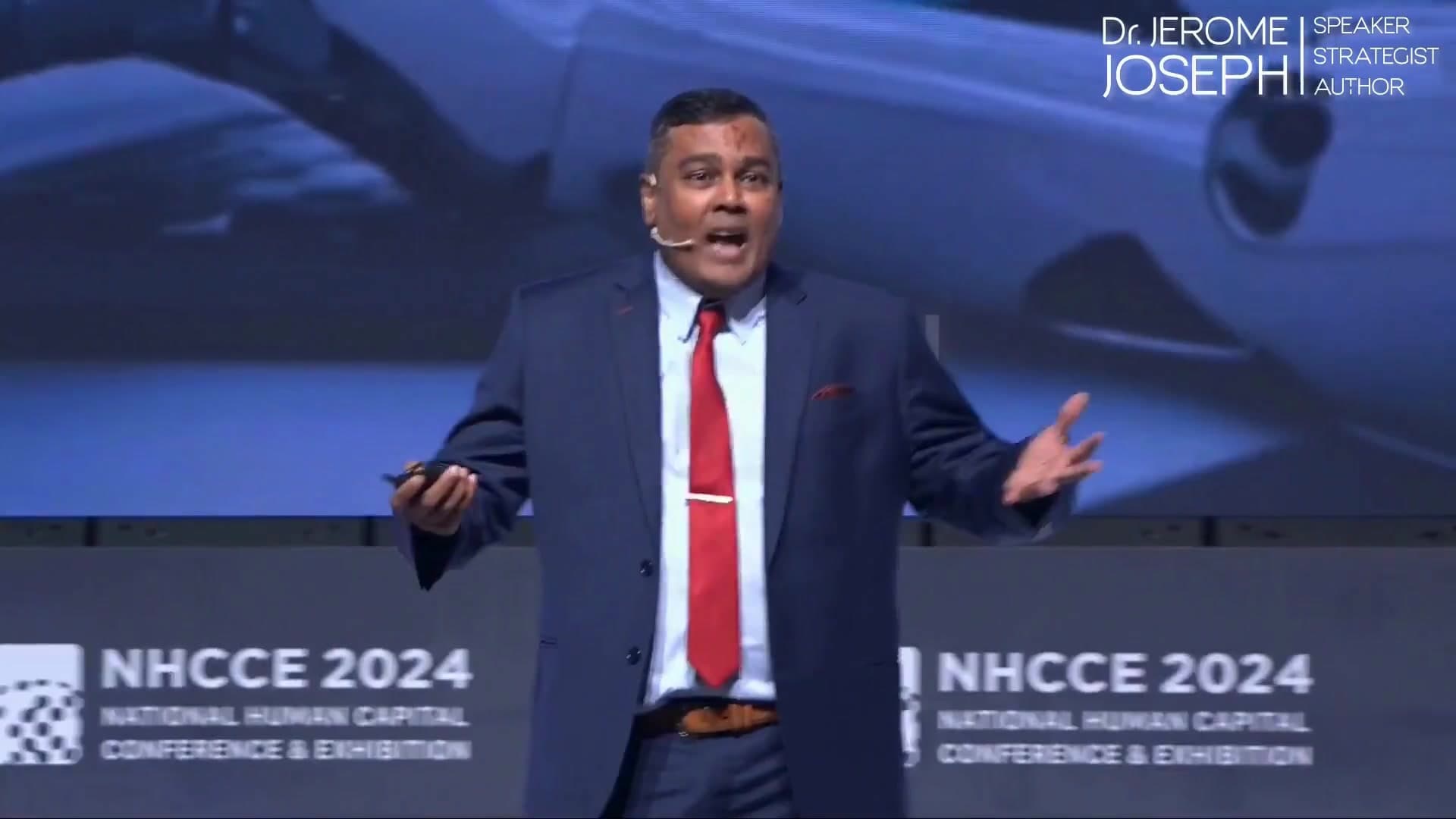
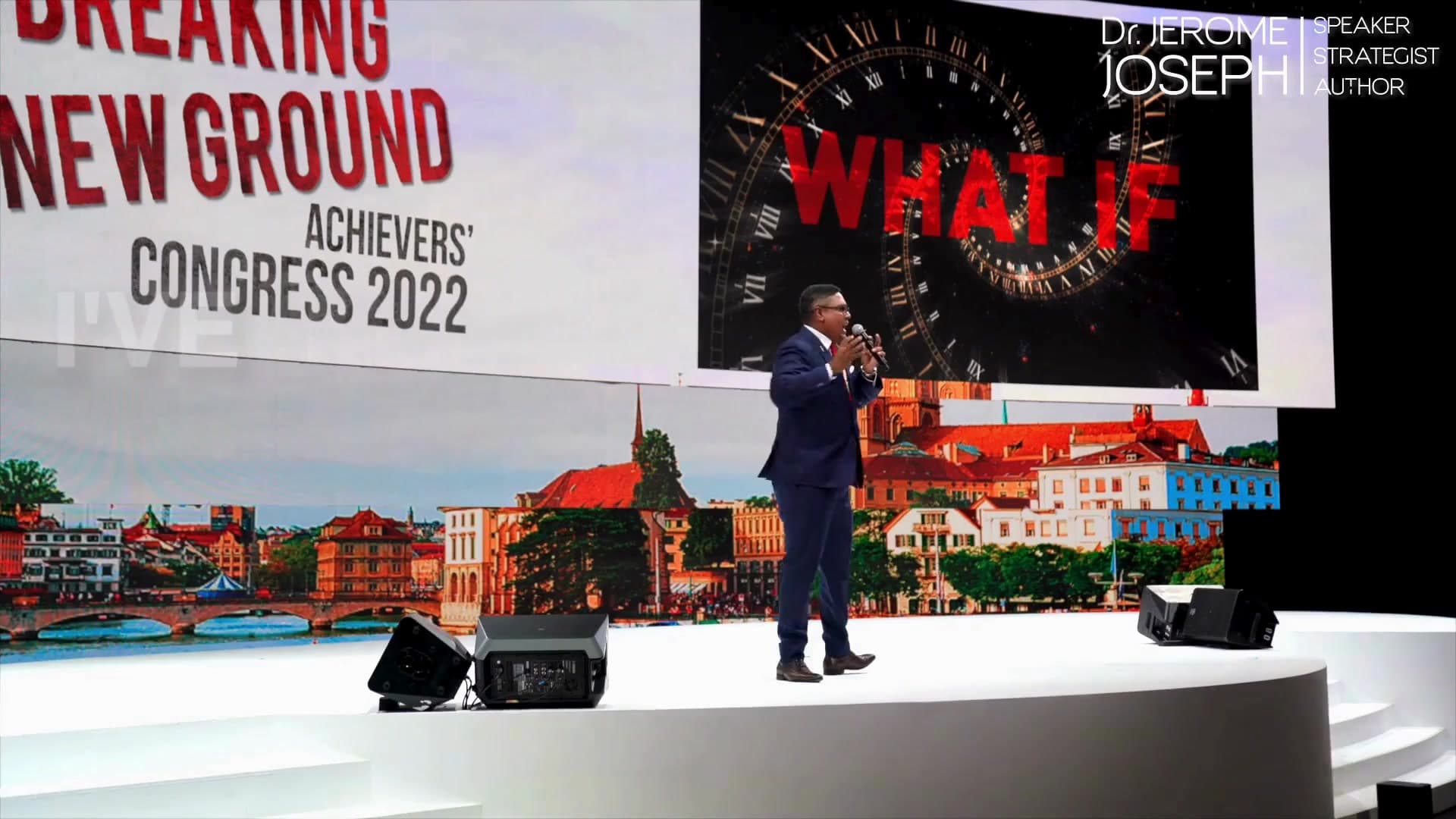
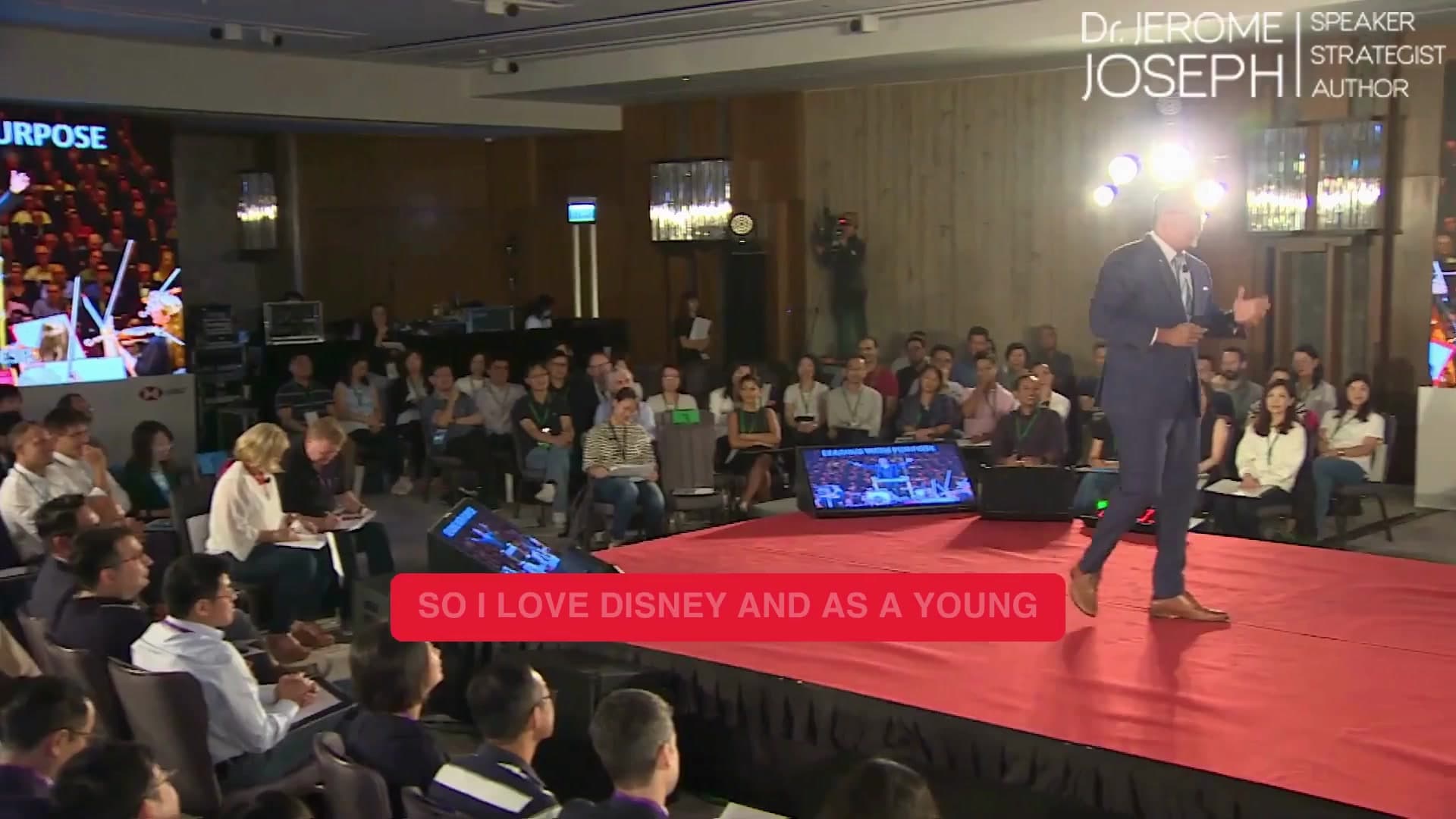
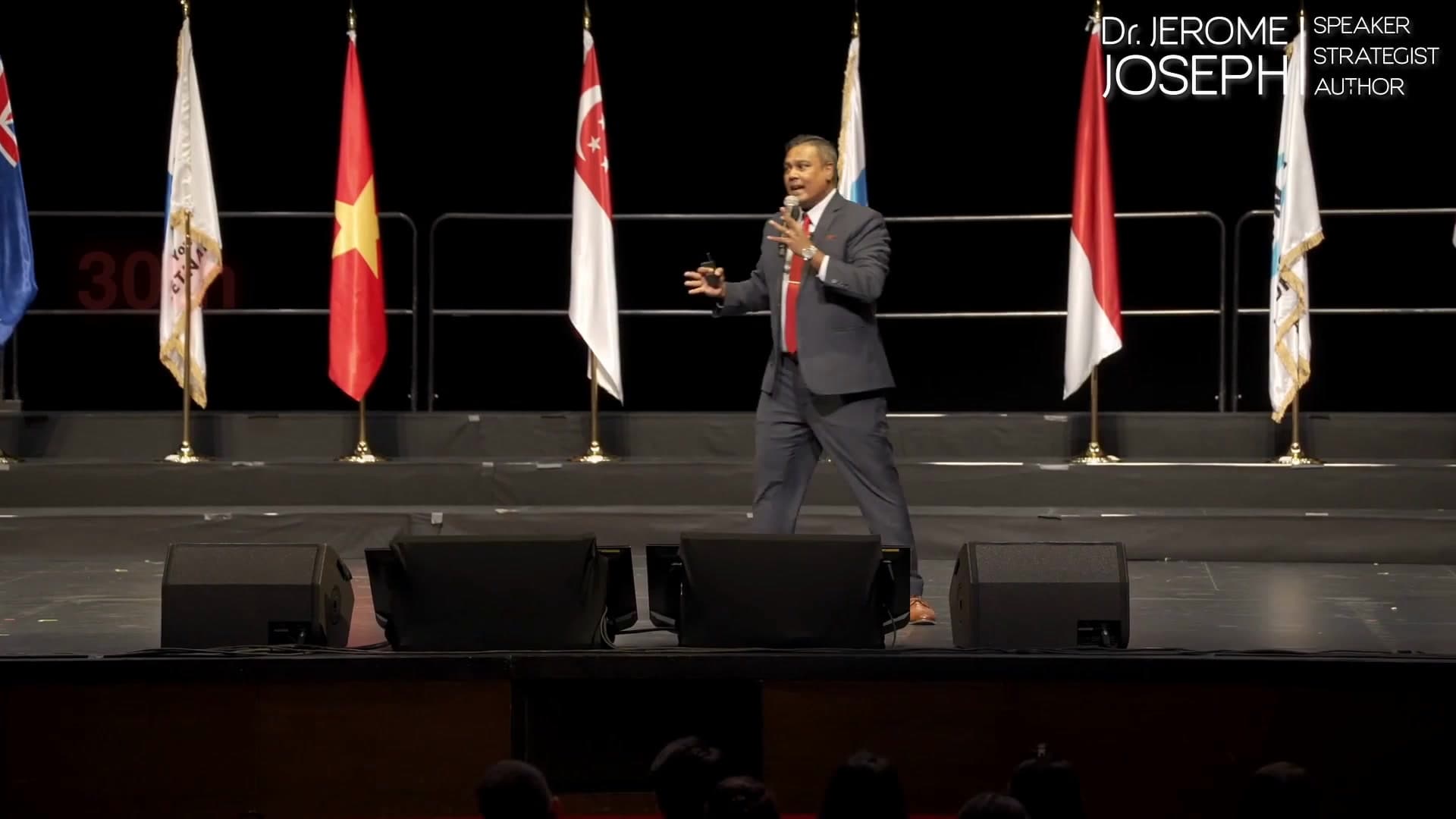
Experience The Impact — Not Just The Ideas. Transformation Is Not Just About Concepts, But About Delivery And Real-World Application. Global Brand Academy Engagements Energise Audiences And Turn Strategy Into Measurable, Lasting Impact.
Frequently Asked Questions About Types of Leadership Styles



GET IN TOUCH WITH GLOBAL BRAND ACADEMY
Connect with Global Brand Academy for training, transformation, or strategic support, and build capabilities across brand, leadership, culture, sales, customer experience, and AI while bridging learning with real-world performance.
HOW CAN WE HELP YOU?
Let's Collaborate to Inspire, Transform, and Elevate Your Event, Organisation or Team.


TESTIMONIALS
See how Dr. Jerome has impacted organizations and individuals with his work. Real stories of transformation.

I’m sincerely grateful to Dr Jerome for his inspiring and insightful lessons on branding. His depth of knowledge, coupled with his engaging teaching style, made every session a meaningful learning experience. I truly appreciate how he breaks down complex branding concepts into clear, actionable steps that empower professionals to refine their message and elevate their presence on social media.
Suzanna Alias
Associate Islamic Finance Practitioner
Dr Jerome is very passionate about his work. He taught us many strategies to enhance our personal brand. I would recommend people who want to enhance their personal branding or company branding to contact him to see what he can offer you.
Dr Loh Meng Woei
Consultant Anaesthetist and Intensivist
Jerome trained me in negotiation at SAP's sales academy in USA. I enjoyed my learning with him through the 2 day course.
Sheng Weijie
Always Building Better
I had attended Dr Jerome's branding workshop and it opened my perspective about branding. He was able to use simple terms to explain complicated branding and marketing concepts. Following his system and guidance will get anyone started on their branding journey. Strongly recommend if you are thinking of starting your branding journey.
Eric Quek Jiang Woei
Financial Services Manager
Dr Jerome’s courses on Personal Branding and AI marketing are so eye opening, insightful and empowering, and I am excited to implement his teachings in my business. Thank you for all the wonderful knowledge!
Celestine Gui
Multi-Award Winner in Singapore’s Largest Real Estate Agency
I’m sincerely grateful to Dr Jerome for his inspiring and insightful lessons on branding. His depth of knowledge, coupled with his engaging teaching style, made every session a meaningful learning experience. I truly appreciate how he breaks down complex branding concepts into clear, actionable steps that empower professionals to refine their message and elevate their presence on social media.
Suzanna Alias
Associate Islamic Finance Practitioner