The Impact of Organizational Culture on Leadership Styles
In today’s competitive business environment, leadership is no longer only about authority or decision-making. The most successful leaders are shaped by the organizational culture they work within. A company’s values, communication patterns, work environment, and employee expectations all influence how leaders behave, manage teams, and drive performance.
Organizational culture acts as the foundation of leadership development. It determines whether leaders become collaborative, innovative, people-focused, or strictly process-driven. Businesses that build a positive culture often create stronger leadership pipelines, better employee engagement, and long-term organizational growth.
What Is Organizational Culture?
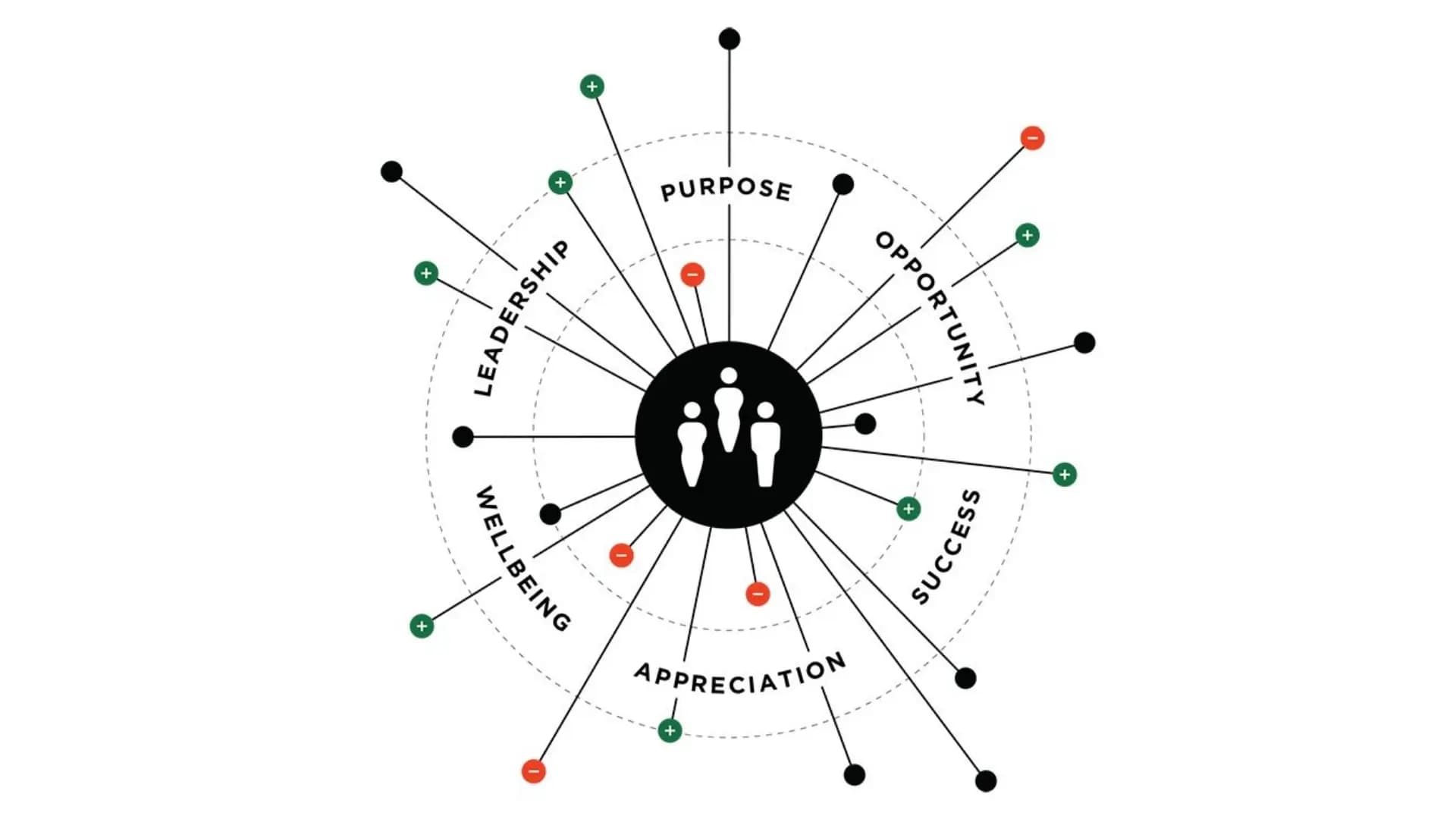
Organizational culture refers to the shared values, beliefs, behaviors, and workplace practices within a company. It influences how employees interact, how decisions are made, and how teams work together.
A strong organizational culture creates clarity, consistency, and alignment across departments. It also affects how leaders communicate, motivate employees, and handle challenges.
Common elements of organizational culture include:
Leadership vision
Communication style
Employee recognition
Innovation mindset
Collaboration and teamwork
Accountability and ethics
Customer-focused thinking
When these elements are positive and aligned, leadership becomes more effective and impactful.
How Organizational Culture Shapes Leadership Styles
Leadership styles are deeply connected to workplace culture. Leaders often adapt their behavior based on the environment around them. Workplace culture is shaped by the behaviours leaders model and the everyday experiences employees share. Teams can turn these behaviours into a shared workplace practice through workplace culture training for leaders.
For example, companies that encourage innovation and creativity usually develop transformational leaders who inspire teams and promote new ideas. In contrast, highly structured organizations may create more authoritative or process-focused leadership styles.
Here are some common ways culture impacts leadership:
1. Communication and Transparency
Open workplace cultures encourage leaders to communicate honestly and frequently. Leaders in transparent organizations tend to be approachable, collaborative, and team-oriented.
On the other hand, rigid corporate cultures may create top-down leadership styles where communication flows only from management to employees.
2. Employee Empowerment
Organizations that value employee growth often develop coaching-style leaders who mentor and guide teams instead of controlling them.
These leaders focus on:
Skill development
Motivation
Team collaboration
Innovation
Long-term performance
A culture of empowerment builds trust and improves employee retention.
3. Decision-Making Approaches
Organizational culture influences whether leaders make decisions independently or involve teams in the process.
Collaborative cultures encourage participative leadership, where employees contribute ideas and feedback. This often improves creativity and problem-solving.
In comparison, hierarchical cultures may promote centralized leadership with faster but less inclusive decision-making.
4. Adaptability and Innovation
Modern organizations need leaders who can adapt quickly to changing markets, technology, and customer expectations.
Companies with innovative cultures often produce agile leaders who:
Embrace change
Encourage experimentation
Support continuous learning
Promote digital transformation
These leadership qualities are essential in today’s fast-moving business world.
Why Leadership and Culture Must Align
A mismatch between leadership style and organizational culture can create confusion, low morale, and reduced productivity.
For example:
A collaborative leader may struggle in a highly rigid environment
An authoritative leader may damage morale in a creative workplace
Poor cultural alignment can increase employee turnover
Successful organizations ensure leadership behaviors reflect company values and long-term goals.
When leadership and culture align, businesses experience:
Higher employee engagement
Stronger teamwork
Better customer experience
Increased trust
Improved organizational performance
Building a Leadership-Driven Culture
Organizations cannot rely only on policies or mission statements to build culture. Leaders play a direct role in shaping workplace experiences every day.
Companies can strengthen leadership culture by:
Investing in leadership development programs
Encouraging open communication
Promoting accountability
Supporting diversity and inclusion
Recognizing employee contributions
Aligning leadership training with organizational values
Leadership development should focus not only on technical skills but also on emotional intelligence, communication, branding, and influence.
The Future of Leadership and Workplace Culture
The future workplace is becoming more people-centered, digital, and purpose-driven. Employees now expect leaders to provide transparency, empathy, flexibility, and meaningful direction.
As organizations continue evolving, leadership styles will also shift toward:
Human-centered leadership
Collaborative decision-making
Brand-driven leadership
Emotional intelligence
Innovation-focused management
Companies that build strong organizational cultures today will create more adaptable and influential leaders tomorrow.
Conclusion
Organizational culture has a powerful impact on leadership styles, employee behavior, and overall business success. It shapes how leaders communicate, make decisions, motivate teams, and respond to change.
Businesses that invest in positive workplace culture and leadership development create stronger teams, better customer experiences, and sustainable growth. In a rapidly changing world, culture-driven leadership is no longer optional. It is essential for long-term success.
For organizations looking to strengthen leadership presence, internal brand culture, and professional growth, The Global Brand Academy provides practical leadership and branding programs designed for modern professionals and organizations.