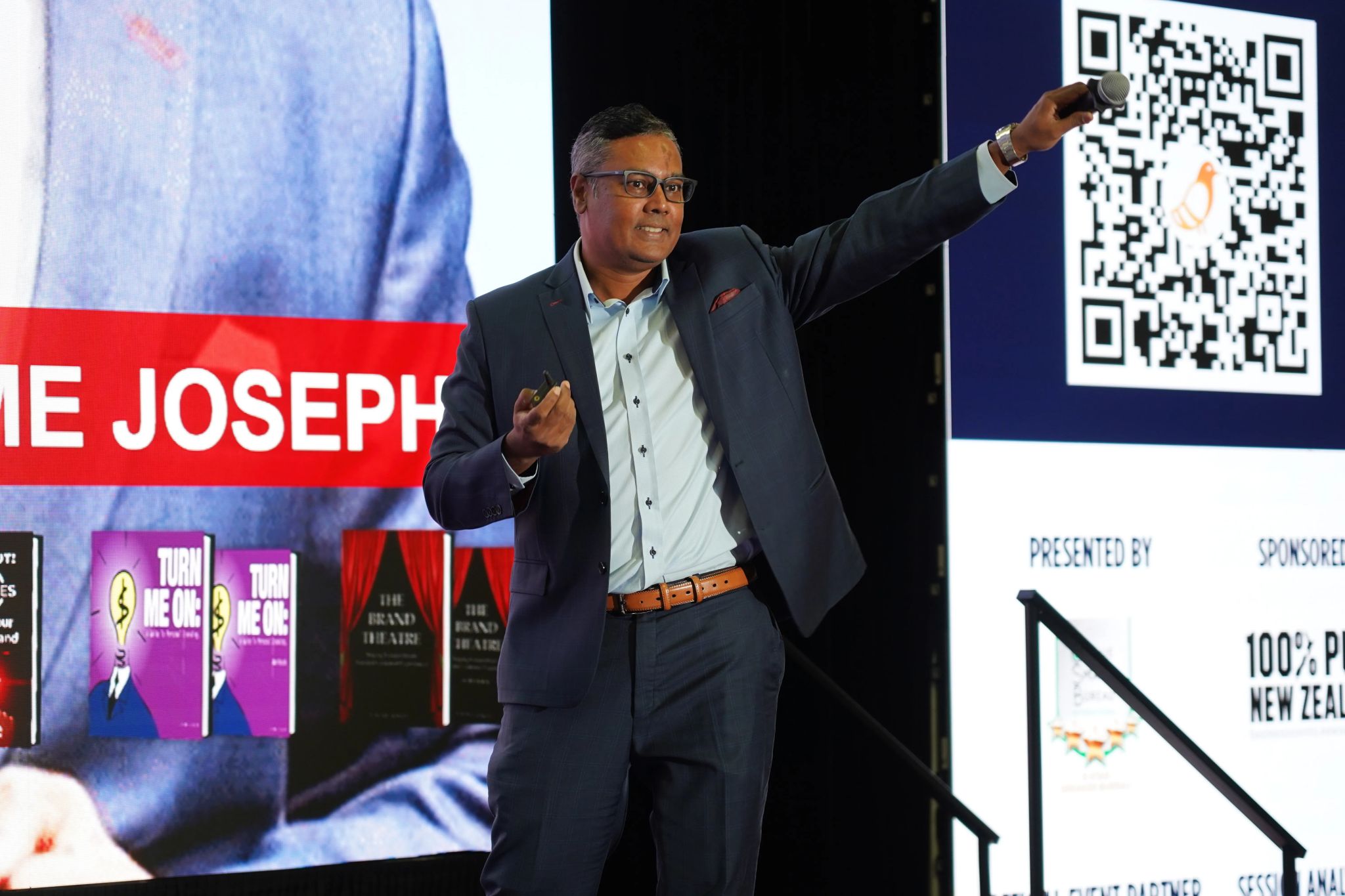
About the Author
Dr Jerome Joseph is a globally recognised brand thought leader, keynote speaker, and strategic advisor with 30 years of experience across 40 countries and more than 1,000 brands. He is the author of 12 books on brand strategy, personal branding, and leadership, an inductee of the Asia Speaker Hall of Fame, a Global Speaking Fellow, and a Certified Speaking Professional. Dr Jerome Joseph has worked with sales leadership teams across Singapore and Asia, helping organisations shift from reactive selling to brand-led, proactive sales strategies that compete on relevance rather than price.
Final Thoughts
A sales strategy built for a conversation buyers no longer wait for will keep losing to one built for the conversation they are actually having, with themselves, before any seller is in the room.
94 per cent of buying groups have already ranked their options before a sales call ever happens
Asia's scale makes this shift impossible to ignore, not optional to address later
Proactive sellers consistently outperform reactive sellers on win rate, revenue, and margin
The sales teams winning in 2026 are the ones showing up before the shortlist closes, not after
Why do 94 per cent of B2B buyers decide before contacting a sales rep?
Buyers now have access to extensive online research, peer reviews, and vendor content, allowing buying groups to research and rank vendors internally before engaging any sales team. By the time a rep is contacted, the buyer has typically already formed a strong view of who they intend to choose.
What is the difference between proactive and reactive B2B selling?
Reactive selling waits for the buyer to initiate contact and pitches only once invited in. Proactive selling identifies and engages target accounts before a formal buying process begins, leading with insight rather than a product pitch, and consistently wins at a significantly higher rate.
Why does this matter more for sales teams in Asia specifically?
Asia-Pacific accounts for roughly 80 per cent of global B2B transaction volume. A shift in buyer behaviour at this scale directly reshapes the operating reality for every sales team in the region, making outdated outbound-first playbooks a structural disadvantage rather than a minor inefficiency.
How much does proactive selling actually improve sales performance?
Proactive opportunities close at 33 to 41 per cent compared with 18 to 25 per cent for reactive opportunities. Sellers with proactive habits generate 19 to 30 per cent higher annual revenue and 12 to 23 per cent higher profit margins than reactive peers.
What role does AI play in modern B2B sales strategy?
AI helps sales teams identify buying signals and target accounts earlier, supporting a proactive approach. However, AI cannot replace the credibility and judgement required to lead with genuine insight, it raises the bar for relevance rather than lowering the need for a strong sales strategy.
What is the first step to becoming more proactive in B2B sales?
The first step is mapping target accounts and beginning meaningful engagement before a formal buying process starts, rather than waiting for inbound interest. This shifts sales activity earlier into the buyer's thinking, where influence still exists.